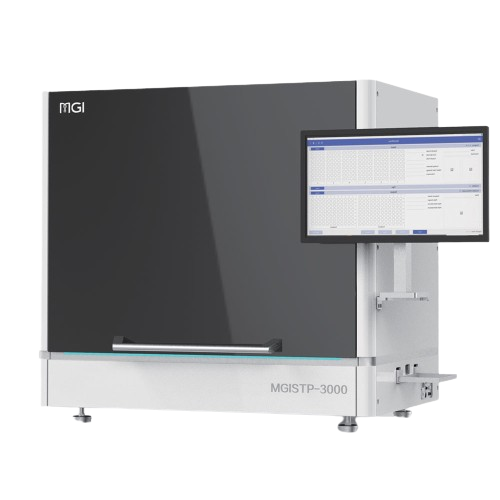

MGISTP-B1000

MGI STP-B1000

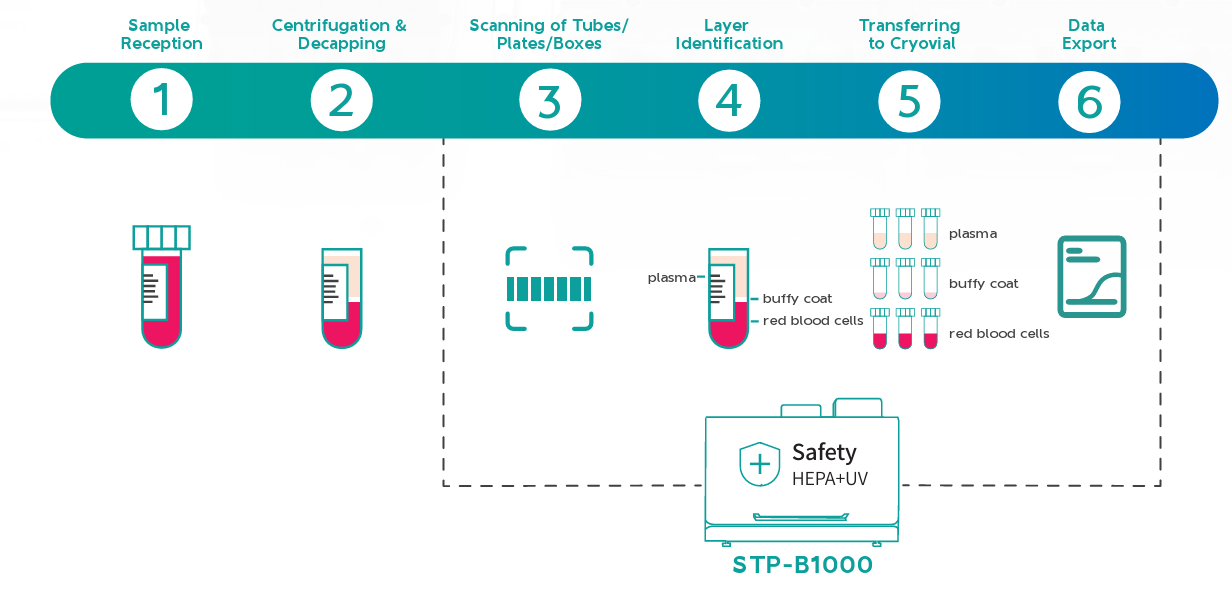
The STP-B1000 is designed for laboratories that require accurate, repeatable separation and transfer of blood components without compromising traceability or efficiency. It precisely recognizes plasma, buffy coat, and red blood cells within centrifuged blood collection tubes and transfers each component with high positional accuracy, reducing manual handling and the risk of cross-contamination. Integrated barcode tracking ensures every transfer remains fully traceable, preventing sample mismatches and data integrity issues in high-throughput workflows.

Operation is intentionally streamlined… users define only the component type, transfer volume, and number of transfers before initiating the process with a single click. This simplicity minimizes training requirements while delivering consistent, standardized blood processing suitable for clinical, biobanking, and research applications.

Accurately Identify Blood Components & efficiently recover the buffy coat

Precise Layer Positioning

Dual light photography, high-definition camera, built-in self developed image processing

Efficient Buffy Coat Recovery

Spiral aspirate, 3-axis linkage control & recovery rate of 95% or more

Dual Detection Technology

Pressure based liquid level detection (pLLD) & capacitive liquid level detection (cLLD)

Chris Wicky

Clinical Genomics Manager - ANZ & Country Manager - NZ
As the official distributor of MGI in Australia and New Zealand, Decode Science is providing local access to STP-B1000 solutions with region-based technical and application support. Simply talk to me and we can discuss your research needs.

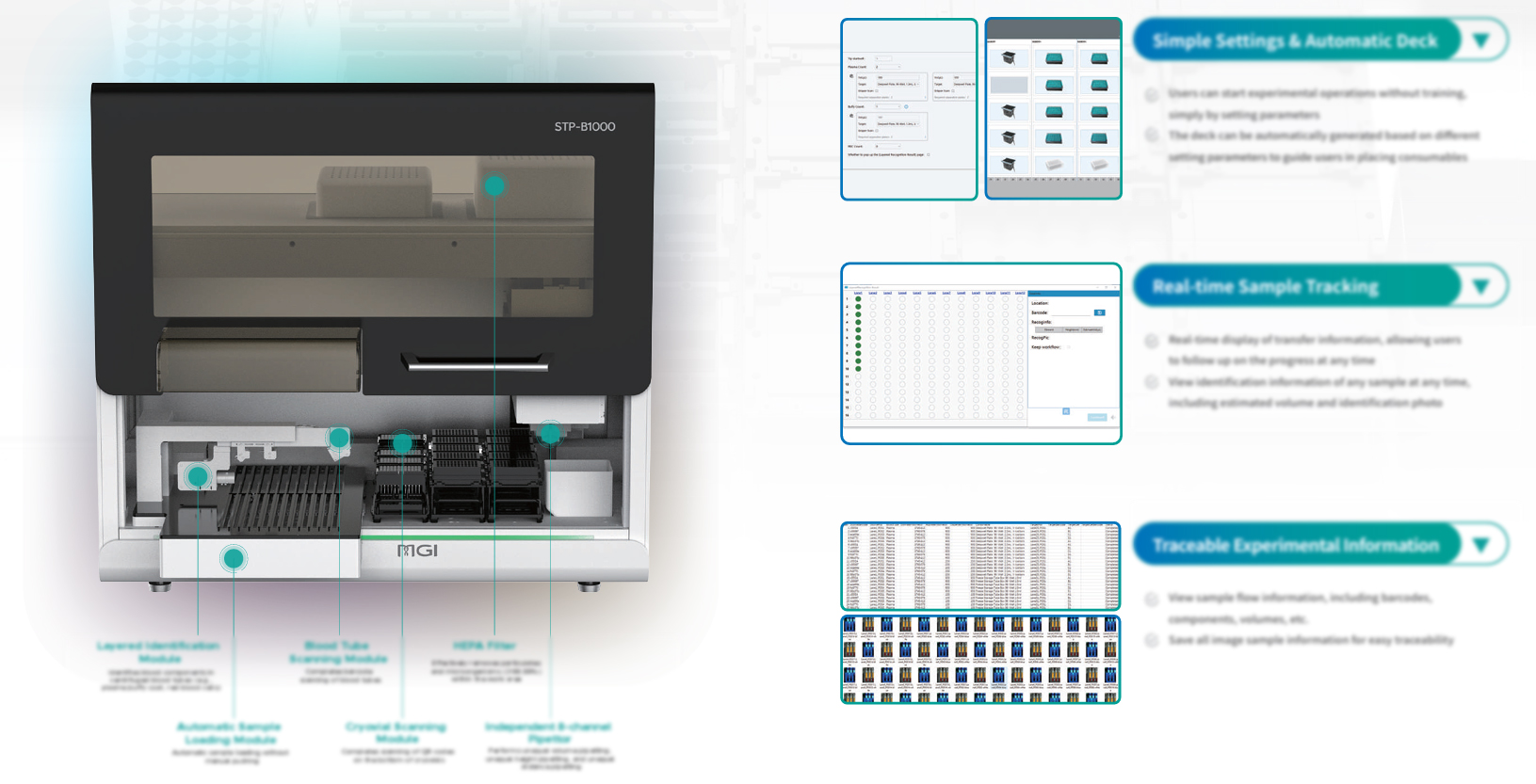
Product Components & Software Functions

Integrated Scanning, Identification, Transferring

Download Brochure Instantly!

    Product Specifications
    IndicatorsParameter
    PipettorPipette Range
    1 μL–1000 μL
    Pipette Accuracy
    1 μL: CV≤8%, accuracy: ±10%
    50 μL: CV≤1%, accuracy: ±2%
    200 μL: CV≤1%, accuracy: ±2%
    1000 μL: CV≤1%, accuracy: ±1%
    Independent 8-channel Pipettor
    Detection ModepLLD, cLLD
    Throughput1–192 samples/run
    Size1420 mm (L) × 1010 mm (W) (without door handle) × 1120 mm (H)
    Weight~250 kg
    MGI Portfolio

    Contact Decode Science Today

    We only need these information to serve you better. Decode Science respects your privacy and will never spam you with unrelated content.


      BioinformaticsCloningCRISPREpigeneticsGenomicsLong ReadMetagenomicsMicrobiomeNeurologyProteinRNASingle CellSpatialSmall RNASynthetic BiologyOther

      You agree to receive communications from Decode Science. View our Privacy Policy

      DNBSEQ T7+

      MGI T7+ 2025
      T7+: Ultra-Fast, High-Throughput Sequencing Without Compromise

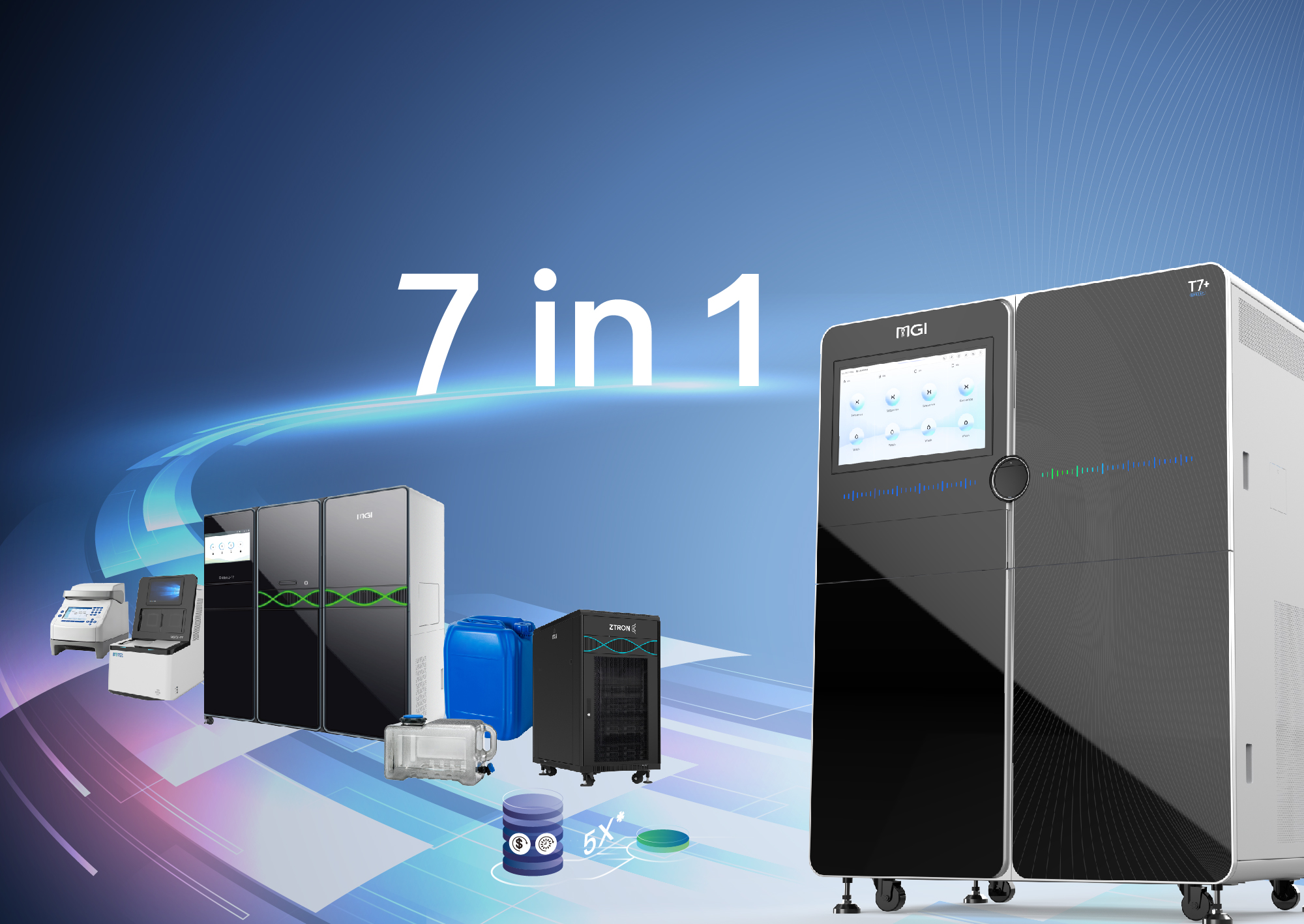
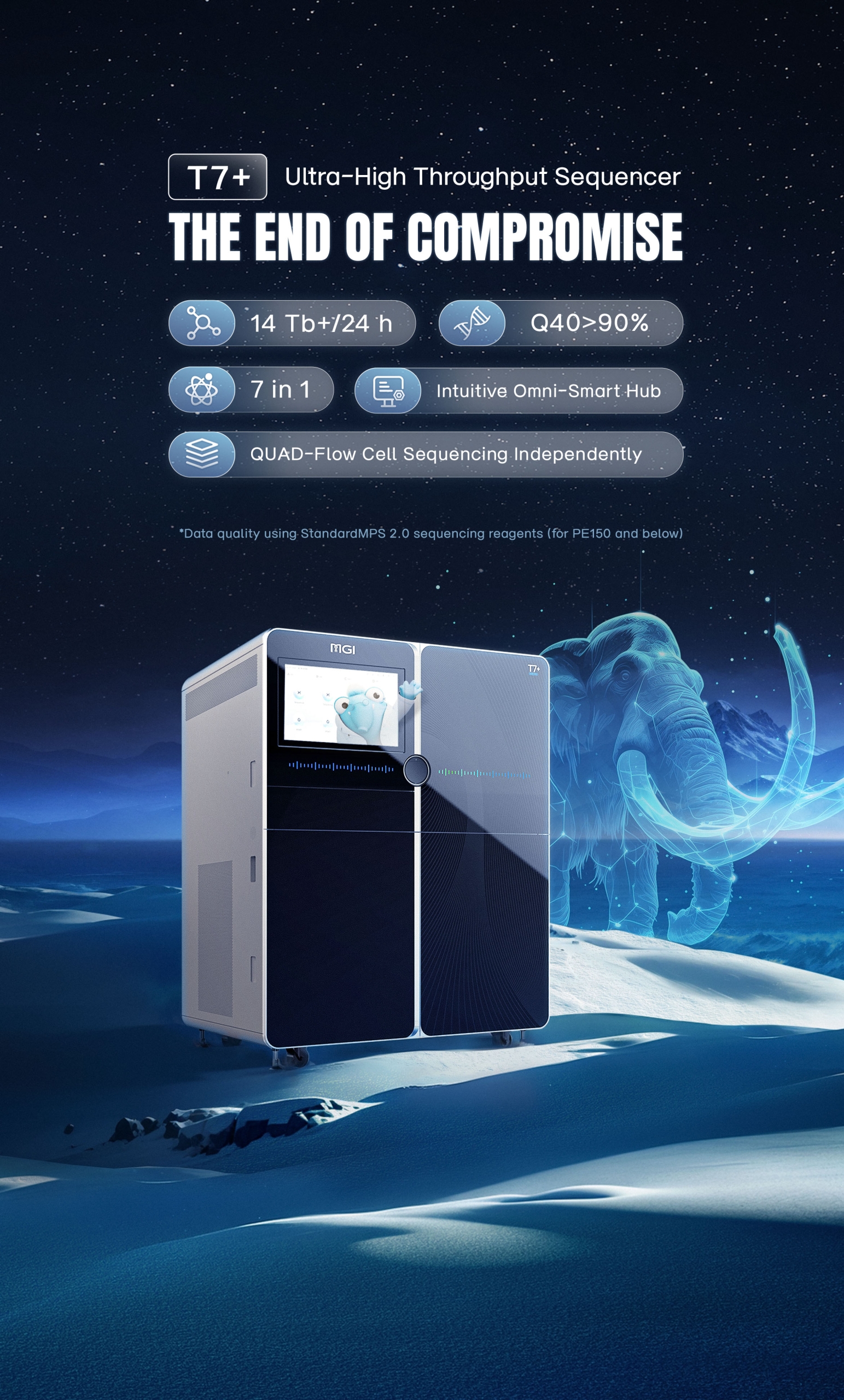
      T7+ is an integrated ultra-high-throughput sequencing platform built for labs that demand speed, accuracy, and scale. Leveraging MGI’s DNBSEQ™ Technology and SM2.0 biochemistry, it delivers over 14Tb of high-quality sequencing data in 24 hours, making large-scale genomics projects—from population studies to clinical pipelines—both feasible and efficient. Its 7-in-1 modular design automates the entire workflow, reducing hands-on time and minimizing potential errors.

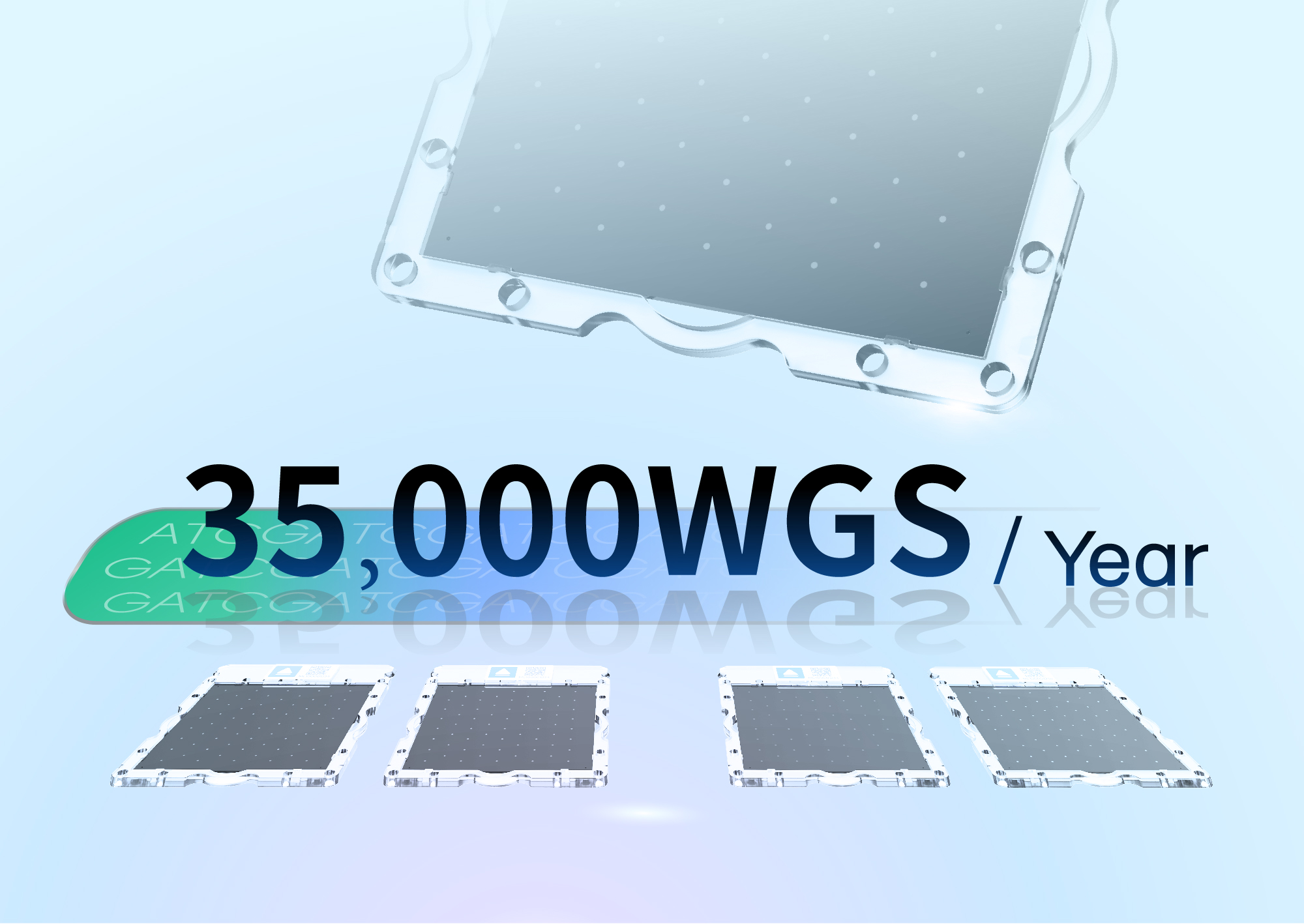
      Beyond sheer performance, T7+ is engineered with clinical relevance in mind. Its capacity for up to 35,000 whole-genome sequences annually ensures that your lab can meet high-throughput demands without compromising turnaround times. This efficiency directly translates to faster research insights, improved diagnostic workflows, and smoother integration into daily lab operations, helping you focus on what matters most: accurate, actionable genomic data.

      >14 Tb/24h ultra-fast sequencing

      7-in-1 automation: prep to analysis

      QUAD-Flow Cells: PE150 & PE100 simultaneous

      Q40 >90% high-quality output

      Ergonomic & modular design

      Smart system with diagnostics & self-healing

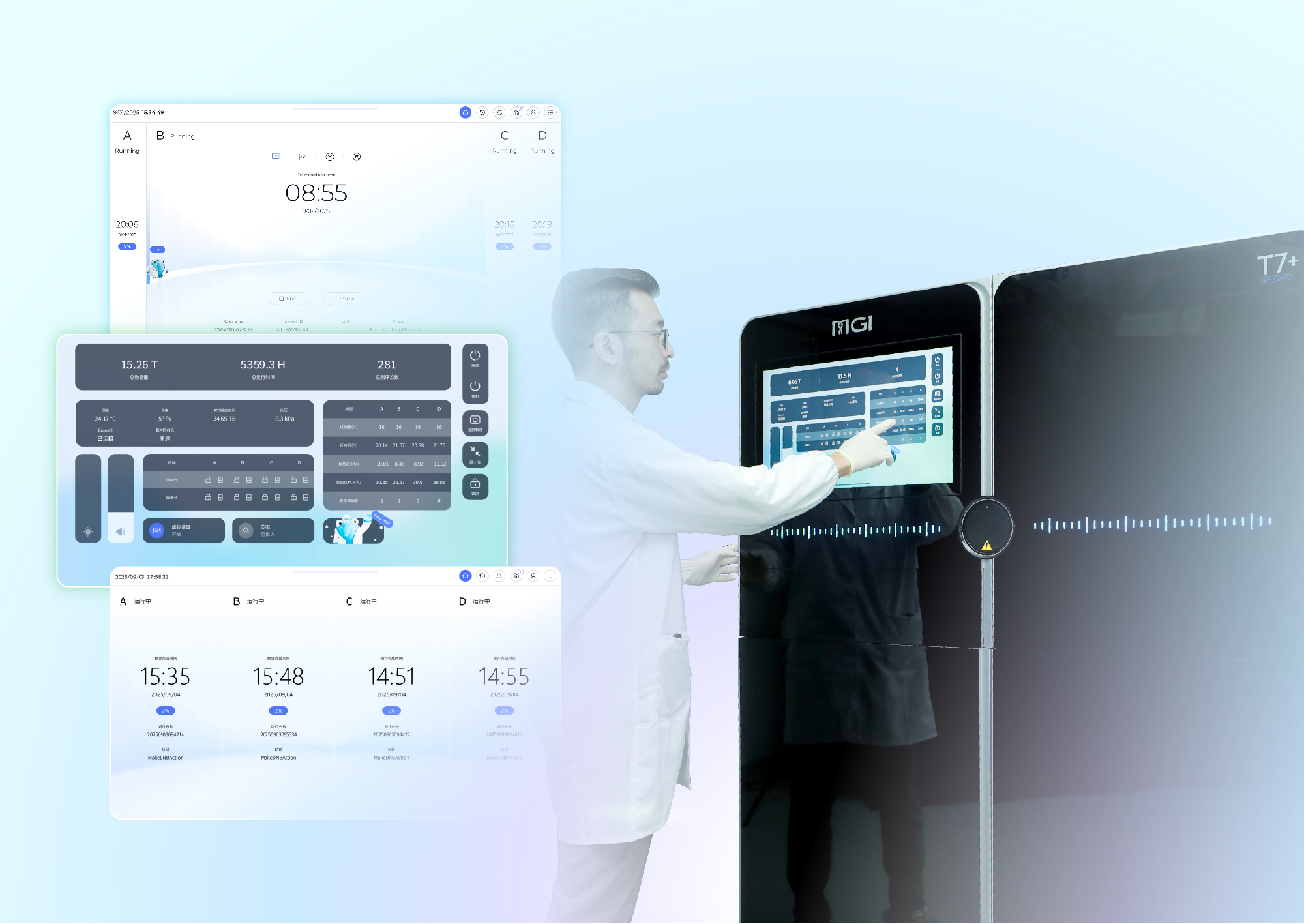
      Omni-smart hub guides workflows

      Checkpoint resume for uninterrupted runs

      Learn more about how each feature works as you scroll.

      Watch How T7+ Works
      Why It Matters?

      Every hour matters when precision, speed, and reliability determine outcomes. T7+ addresses these challenges by combining ultra-high throughput, rapid turnaround, and intelligent automation, so you can focus on results rather than processes.

      Ultra-Fast Sequencing

      Ultra-Fast Sequencing:

      The proprietary TDI camera and high-density flow cells deliver over 14 Tb of high-quality data in 24 hours, supporting up to 35,000 whole-genome sequences per year. Large-scale projects can now be completed without bottlenecks.

      Seamless Automation

      Seamless Automation:

      The 7-in-1 workflow integrates DNB preparation, loading, sequencing, waste management, data analysis, and compression. This reduces hands-on time, minimizes errors, and produces ready-to-analyze FASTQ files with Q40 >90%.

      Chris Wicky

      Clinical Genomics Manager - ANZ & Country Manager - NZ
      Get a complete overview of T7+ performance, throughput, workflow automation, and configuration options. For guidance on integrating T7+ into your operations, Decode Science can provide personalized support and local assistance.
      Download T7 Plus Brochure

      Unlock with quick sign up!

        Omni Start Hub

        Smart & Intuitive Operation:

        Minimalist design, adjustable screen angles, and the Omni-smart hub guide operations with ease, making daily sequencing as simple as interacting with a smartphone.

        Data compression lossless

        Reliable Data Management:

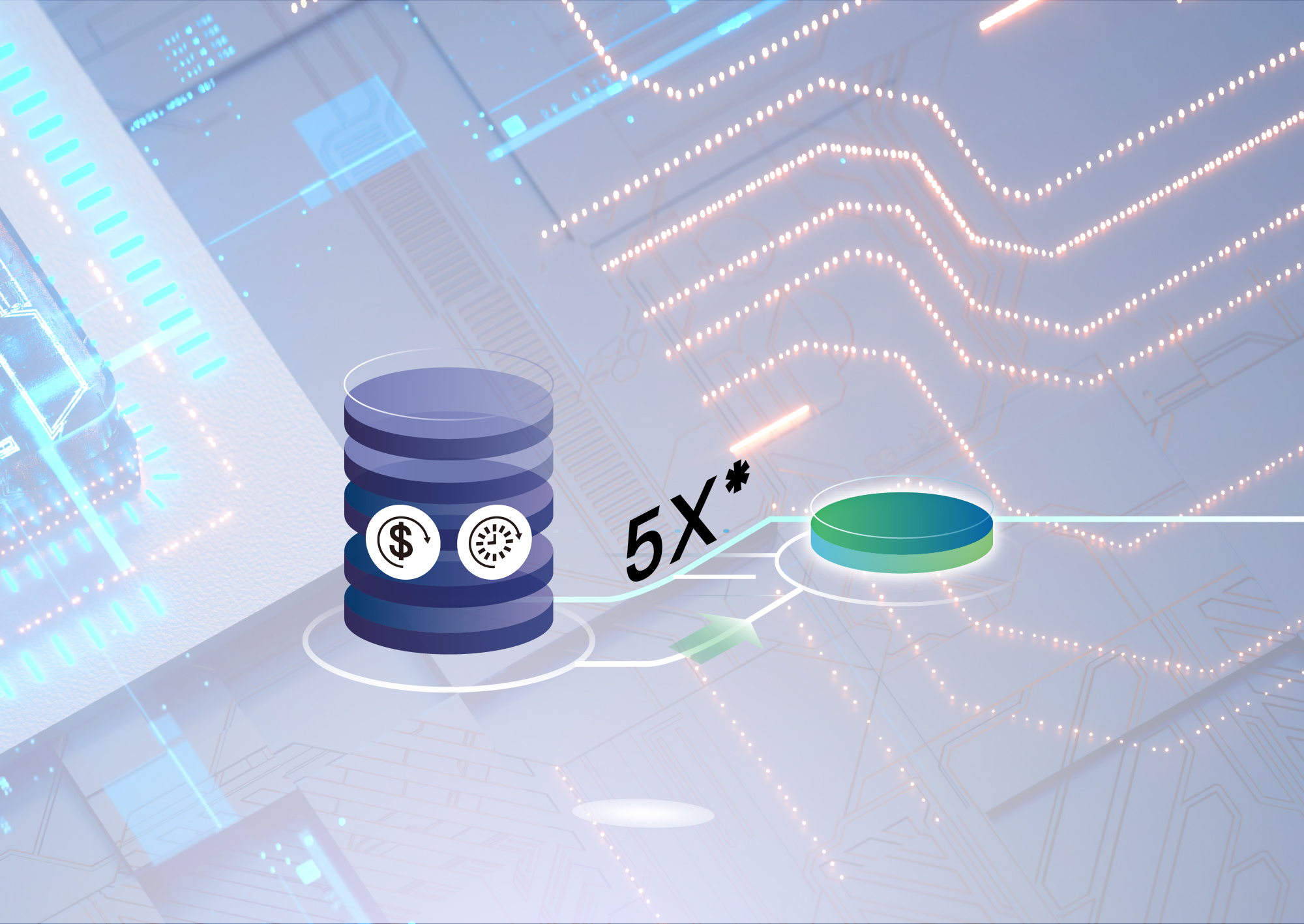
        Built-in lossless data compression reduces storage and bandwidth needs by up to 5× without compromising accuracy. Intelligent checkpointing ensures sequencing resumes seamlessly after interruptions.

        Empower Multi-Omics

        Versatility for Multi-Omics:

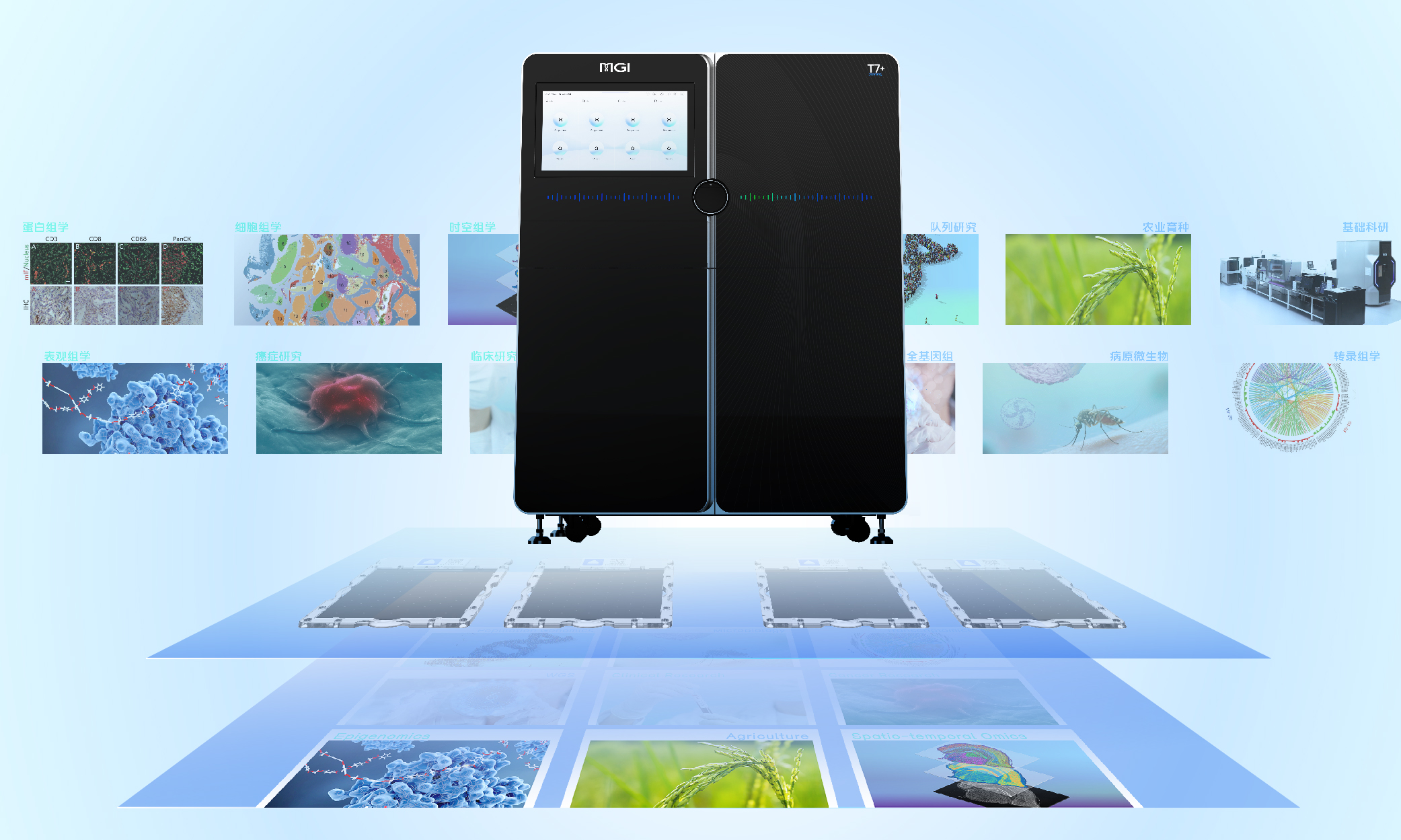
        T7+ supports WGS, spatio-temporal omics, cell-omics, proteomics, epigenomics, transcriptomics, and more, making it adaptable to evolving research and operational needs.

        Related Products

        MGISP-960

        MGISP-960 has validated lots of library kits including WES/WGS/RNA and...

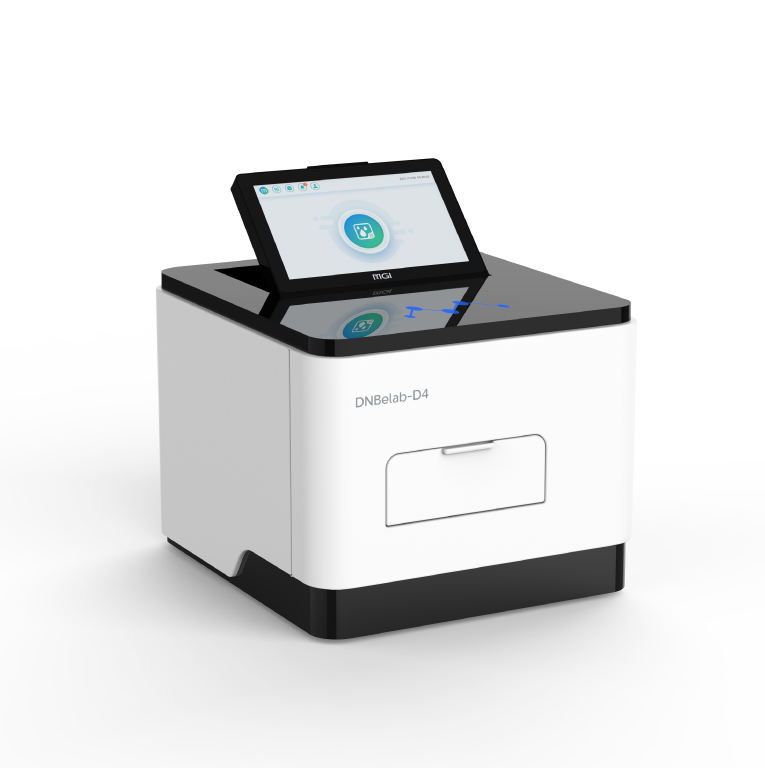
        DNBelab D4 MGI

        DNBelab D series

        Highly integrated technology platform which uniquely uses digital microfluidic...

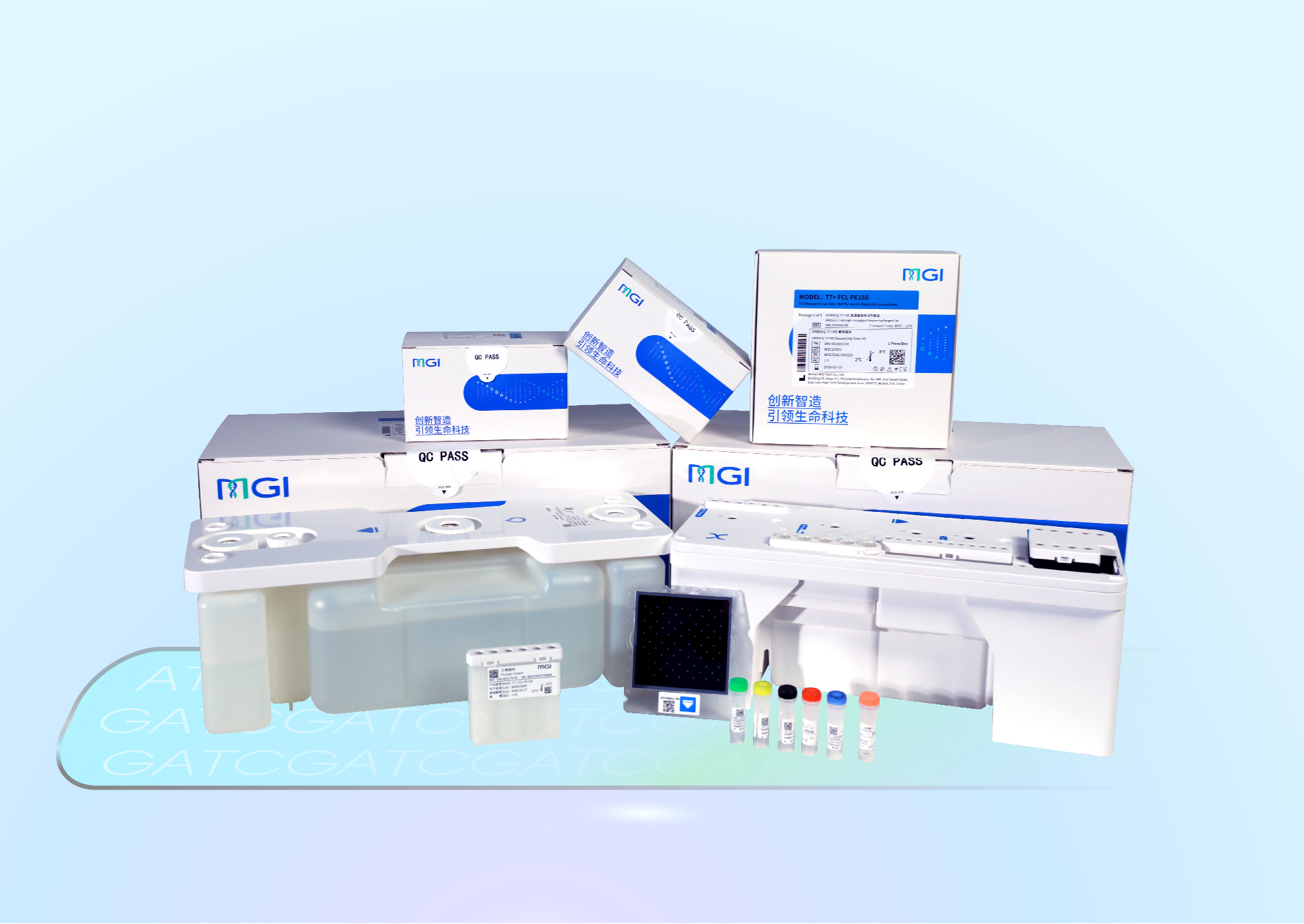
        DNBSEQ-T7+RS High-Throughput Sequencing Reagent Set

        DNBSEQ-T7+RS Reagent Set

        A sequencing run starts with the hybridization of a DNA anchor, then ...

        FAQs
        What is a TDI Camera?

        A TDI (Time Delay and Integration) camera is a high-performance imaging system used in MGI’s T20×2 ultra-high throughput sequencer to capture fluorescence signals with exceptional sensitivity and speed. Unlike conventional cameras that take static images, a TDI camera continuously scans across the sequencing slide, synchronizing image acquisition with sample movement. This technique integrates multiple exposures of the same area over time, significantly boosting signal strength and reducing noise. In the T20*, the TDI line-scan cameras work alongside a liquid-immersion optical lens and a large field-of-view objective to capture more fluorescence data per unit time with higher resolution. The result is faster, more accurate base identification and greater sequencing throughput — a cornerstone technology enabling MGI’s record-breaking data generation efficiency.

        What is DNBSEQ Technology?

        DNBSEQ is MGI’s proprietary sequencing platform based on DNA Nanoball (DNB) technology. Instead of traditional bridge amplification used by other platforms, DNBSEQ amplifies DNA fragments through rolling circle replication, creating dense, uniform DNA nanoballs that are then arrayed on a patterned flow cell. This approach eliminates amplification errors, reduces duplication rates, and enhances signal precision. Combined with MGI’s two-color fluorescence detection and advanced imaging systems, DNBSEQ delivers high-throughput, low-cost, and highly accurate sequencing results. The platform supports a wide range of applications—from whole genome and single-cell sequencing to metagenomics and oncology research—while offering superior data consistency and scalability compared to conventional NGS systems.

        What is SM 2.0?

        Standard MPS 2.0 (SM 2.0) is MGI’s next-generation sequencing chemistry designed to significantly enhance the accuracy and performance of its DNBSEQ™ platforms. By refining enzyme systems, optimizing fluorescent dyes, and improving data interpretation algorithms, SM 2.0 delivers exceptional sequencing quality—achieving over 85% of bases at Q40, or 99.99% base-calling accuracy. These advancements reduce noise, improve signal clarity, and minimize bias from upstream preparation. As a result, researchers gain higher confidence in detecting low-frequency mutations, SNPs, and InDels across applications such as whole genome sequencing, single-cell studies, and microbiome analysis. In essence, SM 2.0 sets a new industry standard for precision, reliability, and data quality in high-throughput sequencing.

        What happens if there’s a power outage or system interruption during a run?

        T7+ features checkpoint resume technology and proactive fault detection, allowing sequencing to continue without data loss once power or system issues are resolved.

        How much hands-on time is required per sequencing run?

        The 7-in-1 integrated workflow minimizes manual intervention—preparation and monitoring are streamlined, so staff can focus on data analysis rather than instrument operation.

        Can T7+ handle varying sample volumes or project scales?

        Yes. The modular QUAD-Flow Cell system allows independent runs, supporting both small batches and large-scale sequencing without compromising speed or accuracy.

        How easy is it to integrate T7+ into an existing lab workflow?

        The platform is designed to fit seamlessly into existing operations, with smart guidance, automated data processing, and flexible output formats that simplify downstream analysis.

        Ready To Order?
        As the authorised distributor for MGI in Australia and New Zealand, Decode Science makes adopting the T7+ effortless. We connect your lab with MGI’s ultra-high-throughput sequencing technology, helping you implement T7+ for faster, more reliable genomic results—with local support and guidance whenever you need it.
        MGI Portfolio

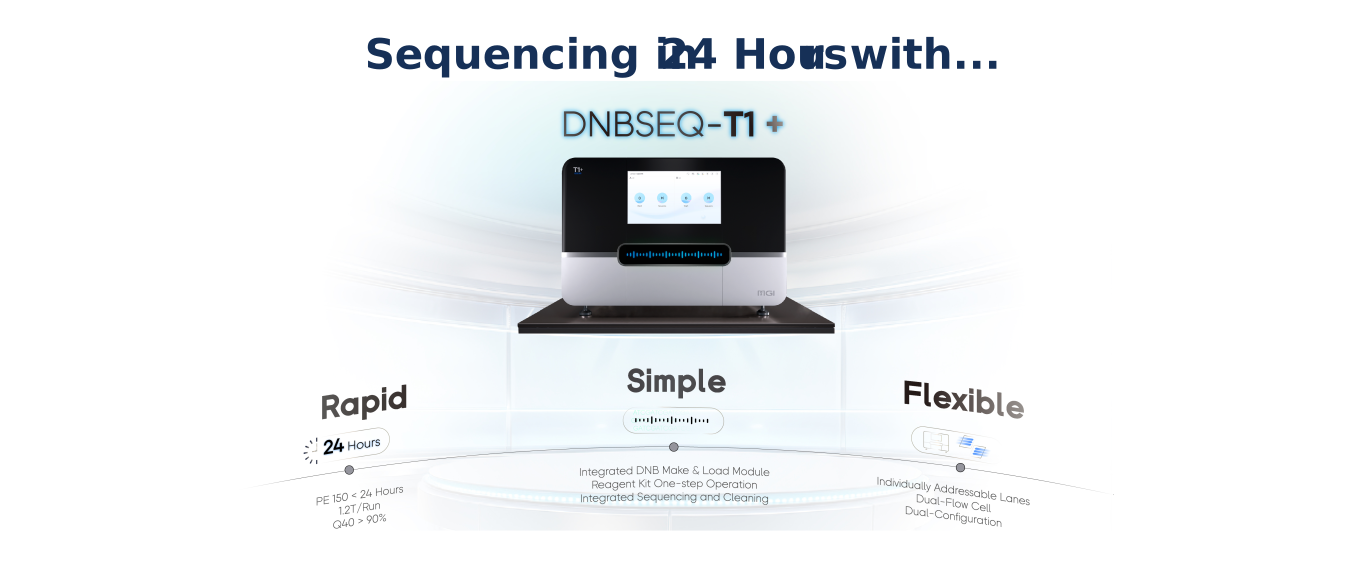
        DNBSEQ-T1+

        Accelerate high-throughput genomic testing with DNBSEQ-T1+

        The DNBSEQ-T1+ is one of the fastest T-level benchtop sequencers available globally—built on MGI’s proven DNBSEQ™ technology for accuracy, scalability, and reliability. Designed for clinical and translational genomics labs, the T1+ supports dual flow cell operation, delivering up to 1.2 terabases (Tb) of sequencing data within 24 hours (600 Gb per flow cell).

        For laboratories managing time-sensitive or high-volume projects, this means faster turnaround, improved workflow efficiency, and reduced dependence on external bioinformatics infrastructure. The optional integrated bioinformatics module enables automated secondary analysis immediately after sequencing, helping clinicians and molecular pathologists move from raw data to interpretable results without delay.

        In practice, DNBSEQ-T1+ helps streamline comprehensive genomic profiling (CGP), oncology testing, and clinical research pipelines—supporting both diagnostic accuracy and operational consistency across runs.

        High-Speed, High-Throughput Sequencing

        Generate up to 1.2 Tb of data in a single run with dual flow cell operation.

        Choose from FCL, FCM, or FCS flow cells to match your throughput needs—from small clinical batches to large oncology cohorts.

        Maintain >93% Q30 and >90% Q40 base quality across read lengths up to PE150.

        Complete full runs in as little as 7–24 hours, supporting faster reporting and clinical turnaround.

        Versatile Applications Across Clinical Genomics

        Flexible read lengths (SE50–PE300) suit NIPT, RNA-Seq, oncology panels, WES, WGS, and methylation studies.

        Supports coverage depth from 1 Gb to 120 Gb per sample, enabling both targeted assays and whole-genome workflows.

        Ideal for translational and precision medicine—from pathogen detection to tumour profiling.

        Integrated DNB Make & Load Technology

        DNB M&L (Make & Load) module automates DNB preparation and loading directly within the sequencer.

        Delivers consistent, contamination-free results with minimal hands-on time.

        Each flow cell operates independently, supporting different read lengths or applications in parallel.

        Enables an end-to-end “Make–Sequence–Analyse” workflow that saves time and reduces error.

        Smart Configurations and Automated Analysis

        Available in two setups: DNBSEQ-T1+ RS (flexible throughput) and T1+ ARS (with built-in bioinformatics).

        The ARS configuration automatically triggers advanced data analysis post-run, streamlining bioinformatics pipelines.

        Simplifies data interpretation for clinicians and molecular pathologists, improving workflow efficiency and diagnostic accuracy.

        Chris Wicky

        Clinical Genomics Manager - ANZ & Country Manager - NZ
        Download the DNBSEQ-T1+ brochure for a complete overview of performance metrics, application data, and configuration options. For guidance on how this platform fits your lab’s workflow, Decode Science can walk you through integration and local support options.
        Watch How T1+ Works
        Related Products

        MGISP-100

        Integrated 8 channel pipettes, it processes samples in batches, eliminates...

        DNBelab D4 MGI

        DNBelab D series

        Highly integrated technology platform which uniquely uses digital microfluidic...

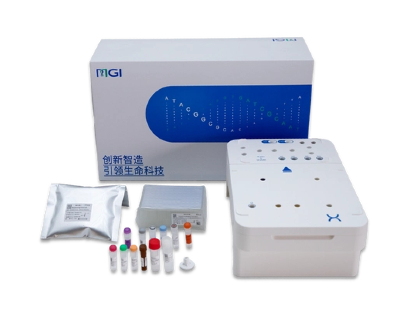
        DNBSEQ-T1+RS High-throughput Sequencing Reagent Set

        DNBSEQ-T1+RS Reagent Set

        Supporting oncology panel, WGS, WES, WGBS, multi-omics sequencing and...

        FAQs
        How can the DNBSEQ-T1+ support my existing oncology or CGP workflows?

        The T1+ integrates seamlessly into oncology and comprehensive genomic profiling (CGP) pipelines, providing the depth and coverage needed for both solid tumour and liquid biopsy applications. With PE150 read lengths and up to 1.2 Tb per run, it supports multi-sample batching without compromising turnaround time.

        What data quality can I expect for clinical reporting?

        Across all flow cell types, >93% of bases exceed Q30 and >90% exceed Q40, ensuring high-confidence variant detection for SNVs, indels, CNVs, and fusions. This level of consistency reduces the need for re-runs and strengthens the reliability of reported results.

        How fast can I expect sequencing results for patient samples?

        Depending on the mode, runs complete within 7–24 hours, with automated secondary analysis available immediately post-run on the T1+ ARS configuration. This supports faster clinical reporting and improved patient turnaround.

        Does the DNBSEQ-T1+ simplify lab workflows or require extra setup?

        The DNB Make & Load module automates DNB preparation within the sequencer, reducing manual steps, contamination risk, and hands-on time. Most labs can run end-to-end sequencing with minimal intervention after library prep.

        Can I run different assays on the same instrument?

        Yes. Each flow cell operates independently, allowing different read lengths or applications—for example, running oncology panels alongside RNA-Seq or WES on the same instrument without downtime.

        Ready To Order?
        As the authorised distributor for MGI in Australia and New Zealand, Decode Science makes adopting the DNBSEQ-T1+ effortless. We bridge your lab with MGI’s high-throughput sequencing technology, helping you implement the T1+ for faster, more reliable genomic insights—supported locally whenever you need it.
        MGI Portfolio

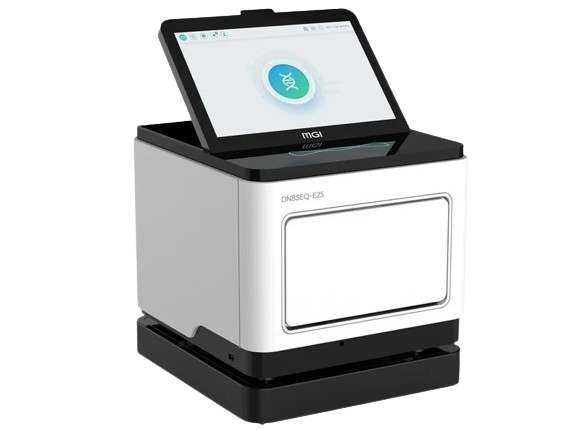
        DNBSEQ-E25

        E25: Sequencing on the Go

        Not every sequencing question belongs in a core facility. Whether you’re working at a remote field site, a resource-limited clinic, a teaching lab, or simply need a dedicated benchtop instrument without competing for shared equipment time, the DNBSEQ-E25 puts high-quality sequencing where you need it. Weighing just 15 kg and requiring nothing more than a power source, the E25 integrates microfluidic flow cell technology, CMOS-based detection, and self-luminous dye chemistry into a single compact unit that takes you from loaded sample to FASTQ output — no ancillary hardware, no bioinformatics workstation, no internet connection.

        What sets the E25 apart from other portable or benchtop sequencers is the degree to which the entire workflow is self-contained. The built-in computing module handles base calling and report generation on-board, and the enhanced E25A model extends this to full data analysis pipelines for applications including whole-genome sequencing. There’s no washing required between runs, setup takes roughly 10 minutes, and the system supports both MGI and App-C libraries without primer substitutio

        But... Why E25?

        Truly Portable Sequencing

        Plug it in,
        load your sample,
        and sequence.

        No optical alignment, no external fluidics, no vibration-sensitive components to worry about.

        Integrated Detection, No Optical System Required

        CMOS detection module built directly beneath each spot on the microfluidic sequencing chip.

        Eliminates the environmental sensitivity and maintenance overhead.

        Sample to Report — No External Computing

        Handles sequencing and FASTQ output independently.

        No server rack, no cloud upload, no network dependency — which also means no data breach risk for sensitive or clinical samples.

        Specifications

        Your Data Security is Our Top Priority

        All our sequencing platforms can work as standalone systems from sample to result without any network connection, eliminating the risk of data breaches and ensuring complete data security.

        Download brochure instantly...

          You agree to receive communications from Decode Science. View our Privacy Policy. You can unsubscribe from these communications at any time.

          Supports MGI and App-C libraries and requires no primer substitutions
          Reads*Read Length**Data OutputRun Time***Q30****
          25 MSE1002.5 Gb5 hrs>90%
          25 MPE1507.5 Gb20 hrs>80%
          * The maximum number of valid reads is obtained by running a specific standard library. Actual performance may vary depending on sample type and library construction method. ** SE100 consumables can be used for SE50 sequencing; PE150 consumables can be used for PE100 sequencing. Read lengths can be customized in the sequencer user interface. *** Run time includes DNB loading and FASTQ generation. Barcode sequencing time is excluded. **** Q30 and run time are averaged across the entire run using a standard library. Actual performance may vary depending on sample type, library quality, insert size, etc.

          Product Model

          E25, E25A*

          Power, Dimensions & Net Weight

          1. Rated Power: 25V DC, 5A
          2. Dimensions (L×W×H): 348 mm × 312 mm × 257 mm
          3. Net Weight: 15 kg
           

          Operating Environment Requirements

          1. Temperature: 15℃–30℃
          2. Relative Humidity: 20% RH – 80% RH
          3. Atmospheric Pressure: 70 kPa – 106 kPa
          4. Pollution Level: Level 2

          * For indoor use only.

          Why It Matters to You

          For Infectious Disease & Public Health Surveillance

          Pathogen identification and outbreak tracking shouldn't wait for samples to ship back to a central facility. The E25 enables on-site whole-genome sequencing of bacterial and viral isolates — giving public health teams actionable genomic data in hours rather than days, directly at the point of need.

          For Remote & Field-Based Research

          Ecological genomics, conservation biology, environmental monitoring, agricultural pathogen surveillance — all of these benefit from sequencing data generated close to the source. The E25's compact footprint, tolerance to variable environmental conditions, and independence from network infrastructure make it a practical tool for work outside traditional lab settings.

          For Clinical & Diagnostic Development Labs

          For groups developing or validating sequencing-based assays, the E25 offers a self-contained platform that simplifies compliance considerations. On-board data processing with no network dependency means sensitive patient-derived data never leaves the instrument, reducing IT and security overhead during assay development and pilot studies.

          For Teaching & Training Environments

          Giving students hands-on sequencing experience usually requires access to expensive, shared equipment with strict booking schedules. The E25 is affordable enough, compact enough, and simple enough to operate in a teaching lab context — making it possible to integrate real sequencing runs into graduate coursework and workshops.

          Step 1 — Talk to Us

          Speak with a Decode Science specialist to determine whether the E25 fits your application, throughput needs, and operating environment. We'll help you understand the available configurations (E25 vs. E25A) and consumable options.

          Step 2 — Prepare Your Libraries

          Use your existing MGI-compatible or App-C library preparation workflow. No primer substitutions or protocol modifications are required. The E25 supports SE100 and PE150 read configurations, with customisable read lengths set directly in the instrument interface.

          How You Can Achieve These Results

          Step 3 — Load and Run

          Set up takes approximately 10 minutes. Load your DNB library onto the microfluidic flow cell, insert it into the instrument, and start the run. SE100 runs complete in around 5 hours; PE150 runs in approximately 20 hours.

          Step 4 — Get Your Results

          FASTQ files are generated on-board at the end of each run. With the E25A model, downstream analysis — including alignment and variant calling for WGS applications — is handled directly on the instrument. Transfer data via USB or external drive.

          Ebru Boslem

          ANZ Market Manager - Research Genomics

          Considering portable sequencing for your lab or field site?
           
          We can advise on applications, library compatibility, and how the E25 fits into your current workflow. Simply reach out to me.

          What our customer says...

          Dr Lyman Ngiam (PhD) Postdoctoral Research Fellow at Centre for Environmental and Agricultural Solutions to Antimicrobial Resistance

          Dr Lyman Ngiam (PhD)

          Postdoctoral Research Fellow at Centre for Environmental and Agricultural Solutions to Antimicrobial Resistance

          "Both E25 and D4 have demonstrated the capability to generate sequencing results within a single day. The prebuilt library preparation protocol and streamlined sequencing workflow make the system highly user-friendly, enabling anyone with piptetting skill to perform sequencing runs with ease. The simplified operation has significantly reduced preparation time. Notably, the system’s ability to work with low starting DNA concentrations makes it particularly versatile, allowing sequencing of a wide range of sample matrices without the need to obtain high DNA yields beforehand. Overall, it is an efficient and practical platform, essentially a "load-and-go" system."

          University of Queensland Logo
          MGI Portfolio

          Contact Decode Science Today

          We only need these information to serve you better. Decode Science respects your privacy and will never spam you with unrelated content.


            BioinformaticsCloningCRISPREpigeneticsGenomicsLong ReadMetagenomicsMicrobiomeNeurologyProteinRNASingle CellSpatialSmall RNASynthetic BiologyOther

            You agree to receive communications from Decode Science. View our Privacy Policy

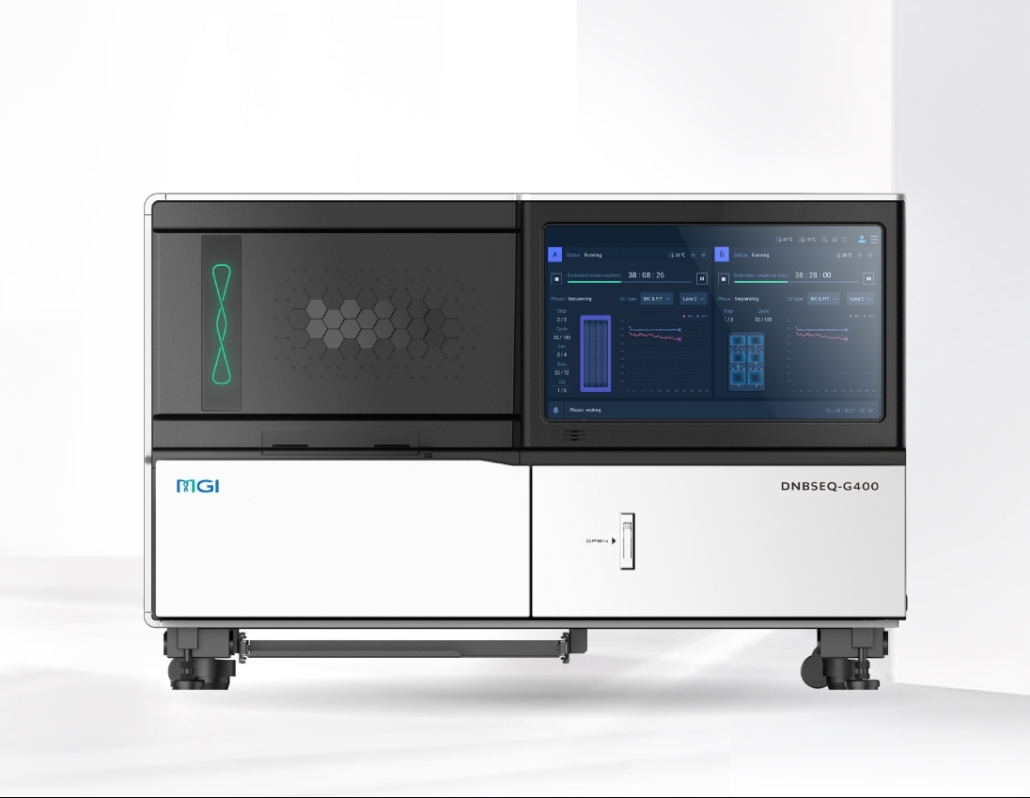
            DNBSEQ-G400

            DNBSEQ-G400
            G400: Seamless, Fast, and Precise Sequencing

            Most genomics labs don’t run one application — they run many. The DNBSEQ-G400 is designed for exactly this reality. With two independent flow cell slots, two flow cell formats (FCS and FCL), and read configurations spanning SE50 through to PE200 and even SE400, the G400 lets you run different applications simultaneously on the same instrument without compromising on turnaround or data quality. Powered by MGI’s StandardMPS 2.0 reagent chemistry, the platform achieves Q40 accuracy across key read lengths — a level of base-calling precision that reduces error rates and strengthens confidence in variant calls, differential expression, and any downstream analysis where per-base accuracy matters.

            What makes the G400 particularly practical for mid-scale genomics operations is the balance between throughput and flexibility. The large flow cell (FCL) delivers up to 1,800M reads and 540 Gb per flow cell at PE150, putting whole-genome sequencing, large RNA-seq experiments, and high-depth exome batches comfortably within reach. Meanwhile, the small flow cell (FCS) supports faster, lower-volume runs — ideal for targeted panels, amplicon sequencing, or urgent turnaround samples — without wasting capacity. 

            Flexible Enough for Every Application on Your List

            Q40 Data Quality as Standard

            Across SE50, SE100, PE100, and PE150 read lengths on the FCL flow cell — meaning fewer than 1 in 10,000 bases called incorrectly.

            Dual Flow Cell, Dual Application Flexibility

            Pair a high-output FCL run (up to 540 Gb at PE150) with a fast-turnaround FCS run (up to 165 Gb at PE150) on the same instrument, at the same time. No scheduling conflicts, no idle capacity, no need for a second instrument.

            C. Read Length Versatility from SE50 to SE400

            Short reads (SE50, SE100) for counting-based applications like RNA-seq and ChIP-seq.

            Standard paired-end reads (PE100, PE150) for exomes, genomes, and panels.

            And long single-end reads (SE400) for applications requiring extended coverage of contiguous sequence — no hardware reconfiguration required.

            D. Production-Ready Throughput in a Manageable Footprint

            Up to 1,080 Gb total output across both flow cells in a single run cycle

            At 200 kg and roughly 1 m wide, it's a serious production instrument — but one that fits into a standard lab space without the infrastructure requirements of ultra-high-throughput platforms.

            Chris Wicky

            Clinical Genomics Manager - ANZ & Country Manager - NZ
            Running multiple sequencing applications and need a single platform that handles them all? Our team can walk you through flow cell configurations, throughput planning, and how the G400 fits alongside your existing setup.

            Why It Matters to You
            For Genomics Core Facilities

            Your users submit everything from targeted panels to whole genomes, and they all want results yesterday. The G400’s dual flow cell design lets you batch high-throughput projects on the FCL while running urgent or low-volume jobs on the FCS — simultaneously. Q40 data quality across key read lengths means fewer reruns and higher first-pass success rates, keeping your queue moving and your users satisfied.


            For Cancer & Clinical Research Labs

            Somatic variant detection demands accuracy. Q40-grade base quality reduces false positive variant calls, particularly at low allele frequencies where sequencing errors and true variants are hardest to distinguish. The G400’s flexible read lengths also let you run tumour-normal WGS, RNA-seq for gene expression, and targeted hotspot panels on a single platform — simplifying your instrument fleet and standardising your data quality.

            For Translational & Pharma Research Groups


            Drug target validation, biomarker discovery, and companion diagnostic development all require reproducible, high-quality sequencing data across multiple assay types. The G400 supports the breadth of applications these programmes demand — WGS, WES, RNA-seq, methylation, targeted panels — on a single instrument with consistent Q40 performance, reducing the platform-to-platform variability that complicates cross-study comparisons.


            For Agricultural & Environmental Genomics

            Genotyping-by-sequencing, amplicon panels for pathogen surveillance, metagenomic profiling, and small genome assemblies all fit comfortably within the G400’s output range. The SE400 read mode is particularly relevant for applications requiring longer contiguous reads without moving to a long-read platform. For labs processing high sample volumes across diverse project types, the dual flow cell system keeps throughput high while accommodating varied experimental designs.

            Specifications & resources

            Download Brochure Instantly!

              Performance by Read Length
              Read LengthData Output/Flow CellData Quality Q30*Data Quality Q40*Run Time**
              SE50-FCL75 Gb ~ 90 Gb>90%>85%~14 h
              SE100-FCL150 Gb ~ 180 Gb>90%>85%~25 h
              SE400-FCL600 Gb ~ 720 Gb>70%/~109 h
              PE100-FCL300 Gb ~ 360 Gb>85%>85%~35 h / 38 h***
              PE150-FCL450 Gb ~ 540 Gb>85%>85%~50 h / 56 h***
              PE200-FCL600 Gb ~ 720 Gb>75%/~107 h
              SE100-FCS55 Gb>85%/~13 h
              PE100-FCS110 Gb>85%/~22 h / 26 h***
              PE150-FCS165 Gb>85%/~31 h / 37 h***
              * The percentage of bases above Q30 and Q40 is the average from internal standard libraries across the full run. Actual results may vary depending on sample type, library quality, and insert fragment length. Q40 is only achievable with StandardMPS 2.0 reagents.
              ** Run time is calculated based on dual-slide mode and includes sample loading, sequencing, base calling, and data processing.
              *** 35 h, 50 h, 22 h, and 31 h reflect reduced times with the latest system upgrade.
              MGI Portfolio

              Contact Decode Science Today

              We only need these information to serve you better. Decode Science respects your privacy and will never spam you with unrelated content.


                BioinformaticsCloningCRISPREpigeneticsGenomicsLong ReadMetagenomicsMicrobiomeNeurologyProteinRNASingle CellSpatialSmall RNASynthetic BiologyOther

                You agree to receive communications from Decode Science. View our Privacy Policy

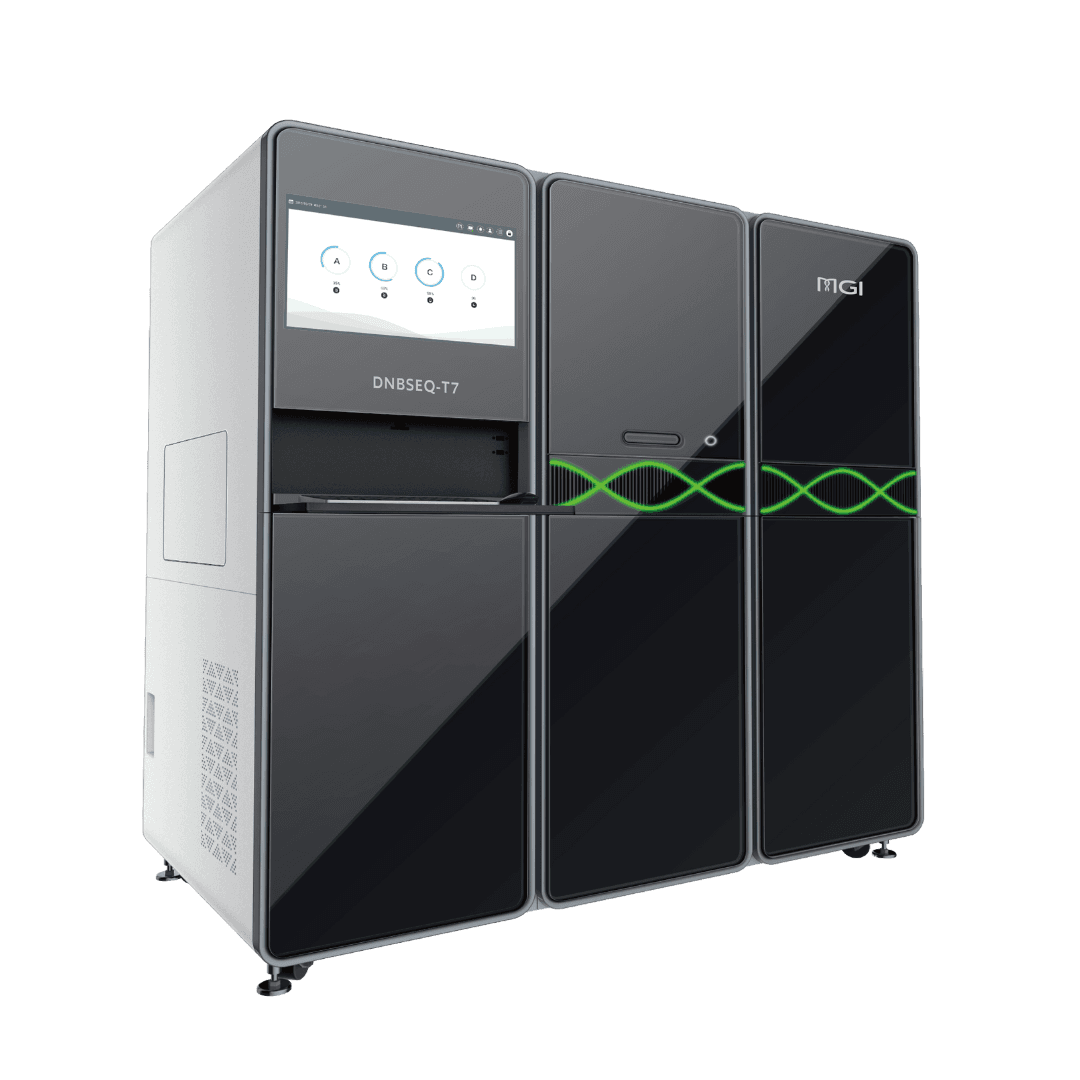
                DNBSEQ-T7

                Turbocharge Your Sequencing with MGI DNBSEQ-T7

                High-throughput sequencing projects often stall when data volume, turnaround time, or workflow scalability become limiting factors — especially in whole genome, deep exome, transcriptome, and epigenome studies. Traditional platforms struggle to keep pace, leading to longer runtimes, bottlenecks between runs, and delayed analysis.

                DNBSEQ-T7 solves this by delivering ultra-high-throughput sequencing designed specifically for data-intensive genomics.
                Built on DNBSEQ™ Technology, it combines advanced biochemical, fluidic, and optical systems to generate up to 6 terabytes of high-quality sequencing data per day, enabling faster completion of large and parallel sequencing projects.

                Designed for population-scale studies and production sequencing, DNBSEQ-T7 allows labs to run multiple workflows simultaneously without compromising data quality or consistency. It fits seamlessly into large genomics programs where speed, scale, and sustained performance are critical.

                For genomics core facilities and research institutes running high-volume sequencing operations, DNBSEQ-T7 removes throughput constraints and accelerates time to results—without forcing workflow trade-offs.

                But... Why T7?

                Reads Per Run

                Up to 24 billion reads per run

                Samples

                Processes up to 60 whole human genomes per day

                Read Lengths

                PE100, PE150, App-A

                SPECIFICATIONS

                Your Data Security is Our Top Priority

                All our sequencing platforms can work as standalone systems from sample to result without any network connection, eliminating the risk of data breaches and ensuring complete data security.

                Dimensions & Weight

                1. Dimensions (L × W × H): 1656 mm × 903 mm × 1815 mm

                2. Net Weight: 765 kg


                Power

                1. Power Type: 200 V~240 V, 50/60 Hz, 30 A

                2. Rated Power: 3000 VA


                Floor Bearing Capacity

                Over 650 kg/m²


                Operational Environment Requirements

                1. Temperature: 19°C~25°C; fluctuation < 2°C per hour

                2. Relative Humidity: 30% RH ~ 80% RH; non-condensing

                3. Atmospheric Pressure: 80 kPa ~ 106 kPa

                4. Waterproof Rating: IPX0

                5. Altitude: Below 2000 meters


                Bandwidth for Network Connection

                300 Mb/s: For local storage network uploads

                Number of Flow Cells : 1-4

                Reads : 5800 M

                Read Length

                1. PE100:

                  1. Data Output: 1 – 4 Tb

                  2. Run Time: 20 – 22 hr

                  3. Q30: >85%

                2. PE150:

                  1. Data Output: 1.5 – 6 Tb

                  2. Run Time: 24 – 30 hr

                  3. Q30: >85%

                The maximum number of effective reads is based on the sequencing of an internal standard library. Actual output may vary with sample types and library preparation methods.

                Run time includes DNB loading, sequencing, and base calling. The percentage of base above Q30 is the average of an internal standard library over the entire run. The actual performance is affected by factors such as sample type, library quality, and insert fragment length.

                The DNBSEQ sequencing platforms are for Research Use Only. Not for use in diagnostic procedures.

                DNBSEQ-T7 (CE-IVD)

                Product Code: 900-000241-00

                 
                DNBSEQ-T7RS

                Product Code: 900-000242-00

                Ebru Boslem

                ANZ Market Manager - Research Genomics

                For guidance on integrating T7 into your research, Decode Science can provide personalised support and local assistance. Simply reach out to me.
                MGI Portfolio

                Contact Decode Science Today

                We only need these information to serve you better. Decode Science respects your privacy and will never spam you with unrelated content.


                  BioinformaticsCloningCRISPREpigeneticsGenomicsLong ReadMetagenomicsMicrobiomeNeurologyProteinRNASingle CellSpatialSmall RNASynthetic BiologyOther

                  You agree to receive communications from Decode Science. View our Privacy Policy

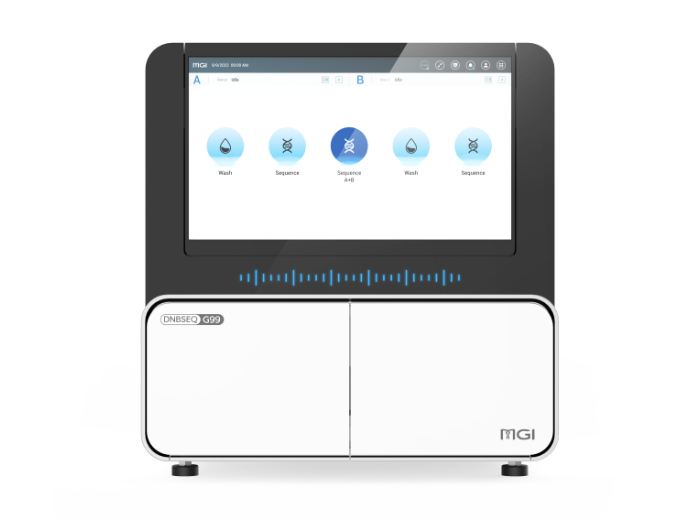
                  DNBSEQ-G99

                  G99 with DecodeScience
                  G99: Lightning-Fast, High-Precision

                  Speed matters in genomics — and not just for urgent clinical samples. Faster turnaround means tighter experimental iteration, shorter time-to-answer for surveillance workflows, and more efficient use of lab time across every application. The DNBSEQ-G99 is engineered around this principle. Delivering PE150 sequencing with Q40 base quality in approximately 12 hours, it is one of the fastest benchtop sequencers in its throughput class. That speed comes from coordinated advances in biochemistry, optics, fluidics, and temperature control — not from cutting corners on data quality. Q40 accuracy (fewer than 1 in 10,000 miscalled bases) is maintained across key read lengths using MGI’s StandardMPS 2.0 reagents, giving you high-confidence data on the first pass.

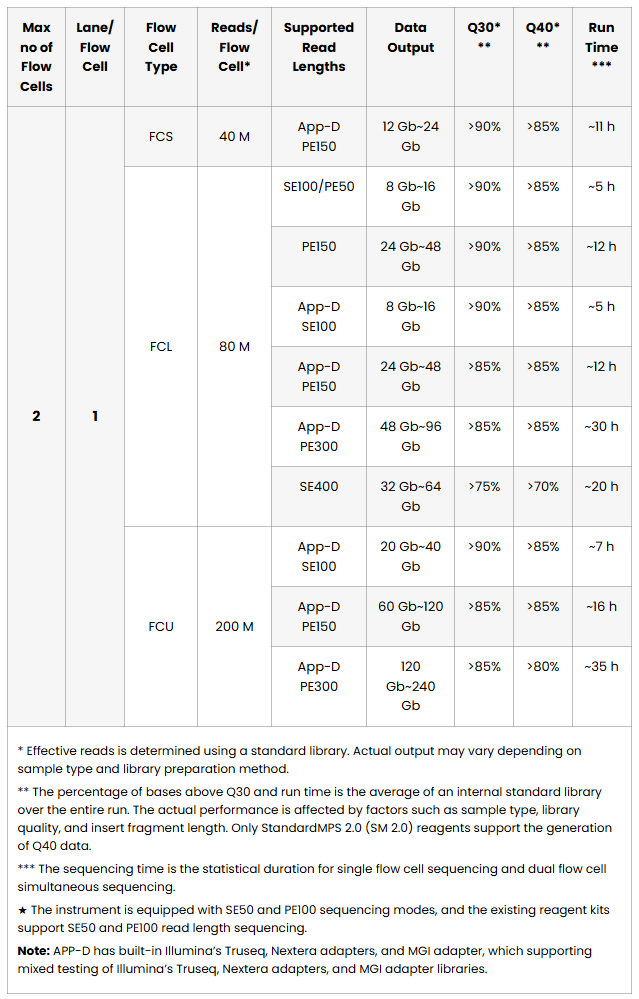
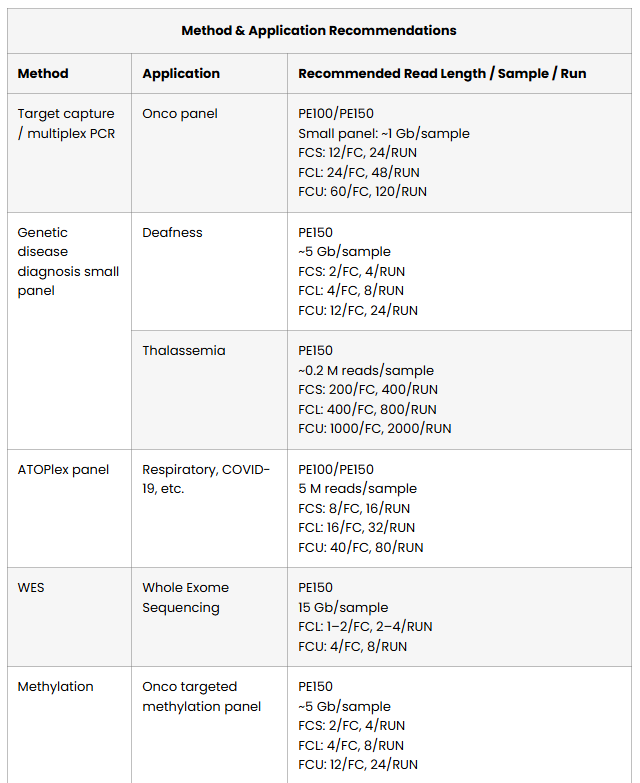
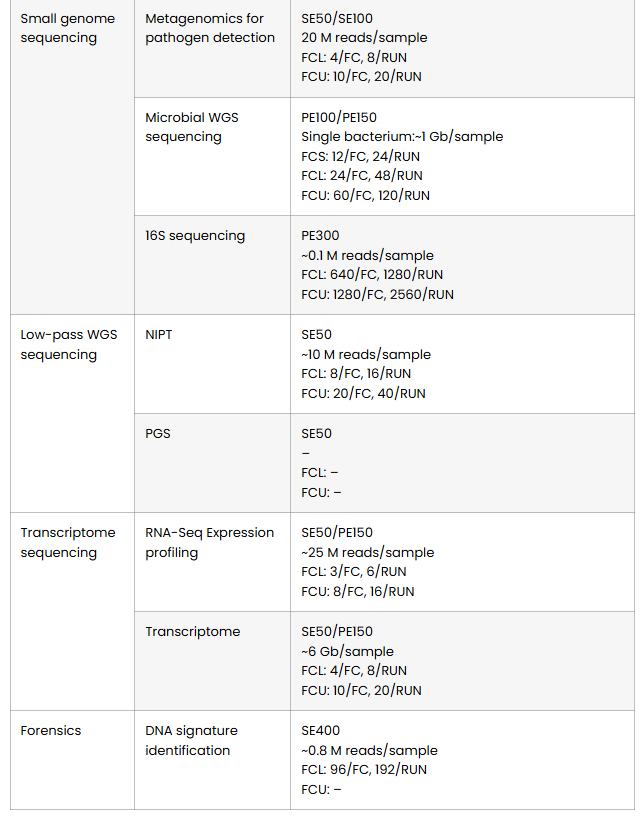
                  What gives the G99 its breadth is the three-tier flow cell system. The FCS (40M reads) handles small targeted panels and rapid-turnaround jobs. The FCL (80M reads) covers the mid-range — oncology panels, microbial genomes, RNA-seq, methylation, and more — with read lengths from SE50 through PE300 and even SE400 for forensics and long-amplicon work. And the FCU (200M reads) extends into whole-exome sequencing territory, delivering up to 120 Gb per flow cell at PE150 and supporting batches of 8 or more exomes per run. With dual flow cell slots running independently, you can pair any two of these formats in a single run — matching throughput to demand without wasting capacity or waiting for a full batch.

                  Q40 Accuracy in 12 Hours — The Benchtop Sequencer Built for Speed, Flexibility, and Clinical-Grade Data

                  PE150 at Q40 in 12 Hours

                  For labs running oncology panels, infectious disease assays, or any workflow where next-day results matter, this means samples loaded in the morning can have FASTQ files ready by the end of the day.

                  Three Flow Cell Formats, One Instrument

                  FCS (40M reads), FCL (80M reads), and FCU (200M reads) — covering applications from small targeted panels through to whole-exome sequencing.

                  Read Lengths from SE50 to SE400 — Including PE300

                  SE50 for NIPT and low-pass WGS. SE100 and PE150 for the bulk of standard applications. PE300 for 16S metagenomics and long-amplicon work, delivering up to 240 Gb per run on dual FCU flow cells. And SE400 for forensic DNA applications and extended-read requirements.

                  Chris Wicky

                  Clinical Genomics Manager - ANZ & Country Manager - NZ
                  Need help matching flow cell format and read length to your application? Our sequencing specialists can model your sample batching, per-sample costs, and turnaround times — reach out and we’ll respond at the earliest.

                  Specifications

                  Your Data Security is Our Top Priority

                  All our sequencing platforms can work as standalone systems from sample to result without any network connection, eliminating the risk of data breaches and ensuring complete data security.

                  Unlock Brochure Instantly!

                    Ebru Boslem

                    ANZ Market Manager - Research Genomics

                    For guidance on integrating T7 into your research, Decode Science can provide personalised support and local assistance. Simply reach out to me.
                    Why It Matters to You

                    For Clinical & Diagnostic Genomics Labs

                    Turnaround time is a clinical deliverable, not a convenience metric. PE150 in 12 hours with Q40 accuracy means panels and exomes can be reported within clinically relevant timeframes. The G99's App-D compatibility with Illumina libraries simplifies validation and transition for labs moving from existing platforms, and the optional bioinformatics module (G99A) enables on-board analysis without external compute infrastructure — reducing IT overhead and data security complexity.

                    For Oncology Panel & Precision Medicine Groups

                    Somatic variant calling at low allele frequencies demands both accuracy and depth. Q40 data quality reduces false positive calls that waste follow-up resources, while the G99's flexible batching — from a handful of samples on the FCS to larger cohorts on the FCU — means you're not over-sequencing small batches or under-powering large ones. Methylation-based cancer detection panels are equally well served, with PE150 support at the depths these assays require.

                    For Infectious Disease & Public Health Surveillance

                    Pathogen identification, resistance profiling, metagenomic screening, and 16S community analysis all run on the G99. SE50 and SE100 modes handle rapid pathogen detection with same-day turnaround. PE300 on the FCL or FCU supports full 16S sequencing for microbiome and environmental monitoring. ATOPlex respiratory and COVID-19 panel workflows are directly supported, and the dual flow cell system lets you run surveillance samples alongside research projects without scheduling conflicts.

                    For Research Groups Running Diverse Applications

                    If your lab runs RNA-seq one week, targeted panels the next, and occasionally needs an exome or a small genome, the G99 eliminates the need to juggle multiple instruments or batch dissimilar projects together. Three flow cell options, read lengths from SE50 to SE400, and dual independent flow cell slots mean virtually any standard NGS application fits on this single benchtop platform.

                    Our team is ready to guide you through solutions that match your lab or clinical needs.

                    Contact Decode Science Today

                    We only need these information to serve you better. Decode Science respects your privacy and will never spam you with unrelated content.


                      BioinformaticsCloningCRISPREpigeneticsGenomicsLong ReadMetagenomicsMicrobiomeNeurologyProteinRNASingle CellSpatialSmall RNASynthetic BiologyOther

                      You agree to receive communications from Decode Science. View our Privacy Policy

                      MGISP-7000

                      MGISTP-7000 Features with DecodeScience
                      MGI STP-7000

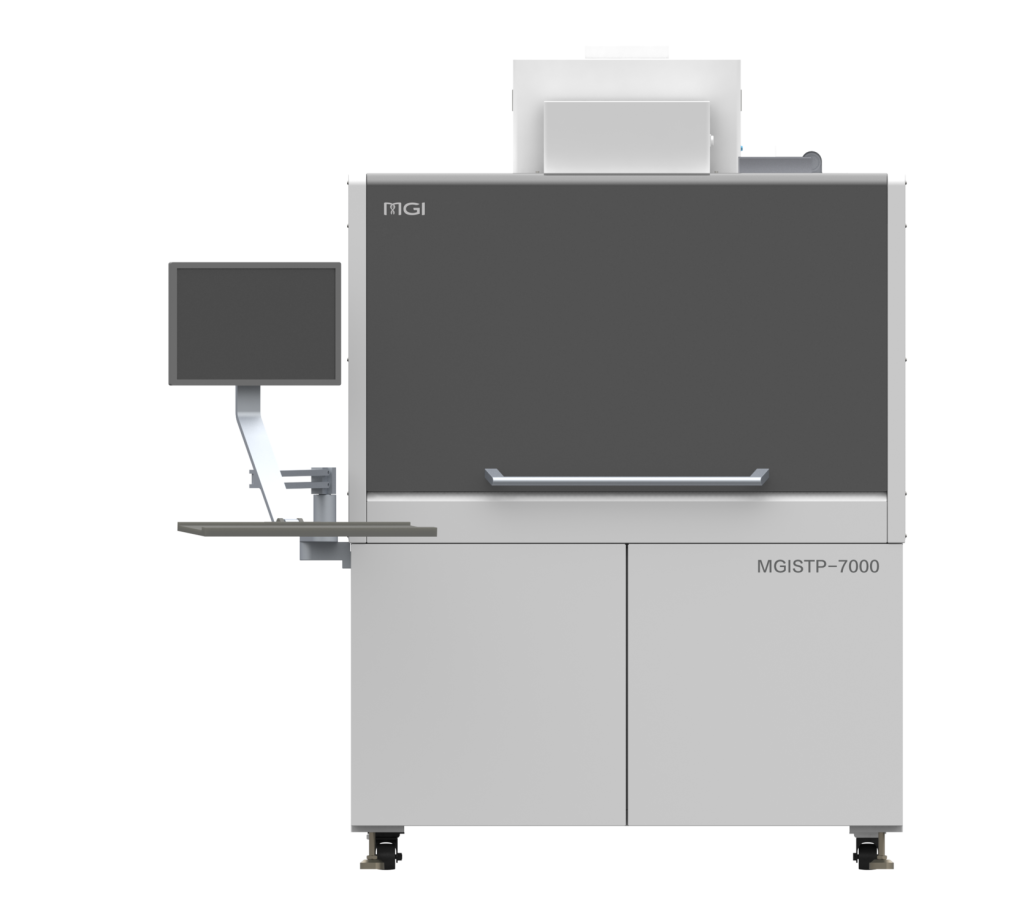
                      The STP-7000 is a fully automated sample transfer system built for high-throughput labs that can’t afford errors or downtime. It integrates tube decapping/recapping, barcode recognition, automated liquid handling, and negative-pressure protection into one continuous workflow. The system transfers up to 192 samples from airtight or standard tubes into 96-well plates in just 40 minutes, significantly boosting nucleic acid testing throughput. Dual HEPA filtration, integrated UV sterilization, automatic barcode capture, and ZLIMS connectivity ensure operator safety and end-to-end sample traceability.

                      One-Stop Sample Preparation and High Productivity

                      Fully automated sample prep

                      decapping, liquid transfer, and barcode identification

                      High throughput

                      192 samples to 96-well plates in 40 minutes

                      Scalable automation

                      supports multi-instrument, high-volume workflows (up to 10,000 samples/day)

                      Powerful and User-friendly

                      Just a single-click, it will finish the tedious sample pre-analytical steps for you.

                      Chris Wicky

                      Clinical Genomics Manager - ANZ & Country Manager - NZ

                      As the official distributor of MGI in Australia and New Zealand, Decode Science is providing local access to STP7000 solutions with region-based technical and application support. Simply talk to me and we can discuss your research needs.

                      Multiple Applications

                      The STP-7000 is supplied in a standard configuration supporting 5–30 mL screw-cap tubes, already eliminating up to 8 hours of manual handling. Optional upgrade modules extend compatibility to BD 4 mL, 6 mL, and 10 mL blood collection tubes, as well as 2 mL cryopreservation tubes. The system also enables direct tube-to-tube transfer into 1.5 mL centrifuge tubes, 2 mL cryovials, and 5 mL Roche tubes, with additional custom tube adaptors available to support diverse laboratory workflows.

                      Download Brochure Instantly!

                        Product Specifications
                        Throughput192 Samples / 40 mins; one sample in 15 s
                        Pipetting MethodBased on the principle of air displacement, liquid level detection
                        Volume Range2 μL–1000 μL
                        Accuracy10 μL: < 5 %; 100 μL: < 2 %; 1000 μL: < 1 %
                        Coefficient of Variation (CV)10 μL: < ± 10 %; 100 μL: < ± 5 %; 1000 μL: < ± 2 %
                        Robot Arm AccuracyX – Y – Z: ± 0.1 mm
                        Barcode ScannerFour 1D scanner sensors
                        UV Light36 W
                        Supply/Exhaust Air FilterISO5; HEPA 99.995 % at 0.3 μm; Negative pressure system
                        Tube CompatibilityUniversal fit; excellent fit on 5 mL and 10 mL transport tubes with screw cap
                        FunctionsIntegrates decapping, recapping, barcode identification, automated liquid transfer, HEPA filtration, and negative pressure protection
                        MGI Portfolio

                        Contact Decode Science Today

                        We only need these information to serve you better. Decode Science respects your privacy and will never spam you with unrelated content.


                          BioinformaticsCloningCRISPREpigeneticsGenomicsLong ReadMetagenomicsMicrobiomeNeurologyProteinRNASingle CellSpatialSmall RNASynthetic BiologyOther

                          You agree to receive communications from Decode Science. View our Privacy Policy

                          MGISP-3000

                          PRODUCTS

                          MGISP-3000

                          MGISP-3000 with DecodeScience
                          MGISP-3000: Unmatched Speed, Unrivaled Safety

                          MGISP-3000 establishes a new benchmark in laboratory automation, harmonizing high-throughput efficiency with unmatched safety measures. Boasting features such as ISO5 air filtration, one-click sample pre-analysis, and seamless ZLIMS integration, it provides a comprehensive and secure solution for modern lab workflows.

                          High Reliability

                          Barcode data can be auto-transferred to other automation or LIMS for traceability

                          Safe

                          Two HEPA filters and UV light enhance safety for liquid transfers and lab technicians

                          Automated

                          Load sample tubes in a standard rack with one click to automate pre-analysis steps
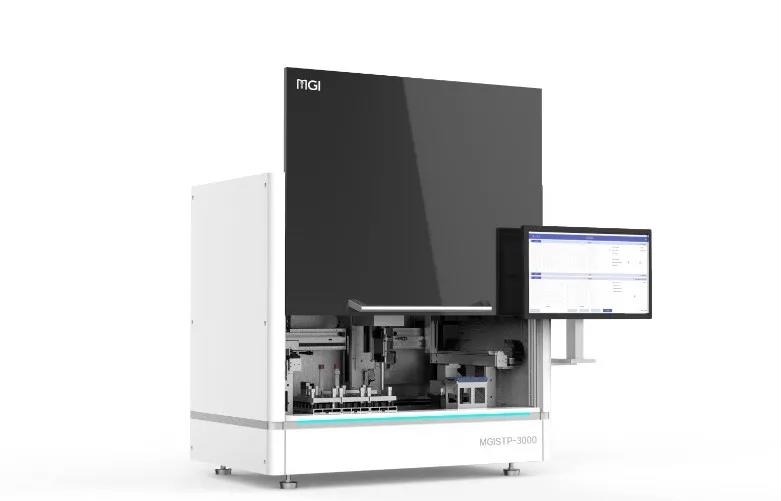
                          MGISP-3000: Elevating Lab Automation and Safety Standards


                          The MGISP-3000 stands as a pinnacle in lab automation, seamlessly blending high-throughput efficiency with a paramount focus on safety. With features such as ISO5 air filters and external exhaust, it creates an ultra-clean workspace, ensuring a secure environment for various lab tasks.

                          Its user-friendly design simplifies operations with a single-click automation of pre-analysis steps, guaranteeing a swift and error-free experience through an intuitive interface. This innovation not only prioritizes safety but also enhances the overall efficiency of laboratory workflows.

                          The MGISP-3000 is future-ready, demonstrating seamless integration capabilities with ZLIMS and third-party systems like RT-PCR. This adaptability makes it a versatile solution for evolving lab requirements, ensuring it stays in sync with the latest advancements in the field.

                          Moreover, MGISP-3000 goes beyond the conventional by combining top-notch safety measures, streamlined operations, and scalability. It introduces features such as barcode tracking and automated tube sealing, providing a comprehensive solution that meets the demands of high throughput without compromising quality.

                          Ready To Order?
                          Our team can help you in placing the order. Click below to get a quote and fast ordering.
                          MGI Portfolio

                          Have a question?

                          Get a call from your local Decode Science representative to help you find the best fit genomics products for you.

                          Error: Contact form not found.

                          Or give us a call at:

                          1300 581 991

                          MGISP-100

                          PRODUCTS

                          MGISP-100

                          MGISP-100 With DecodeScience
                          MGISP-100 : Precision Prep, Peak Performance

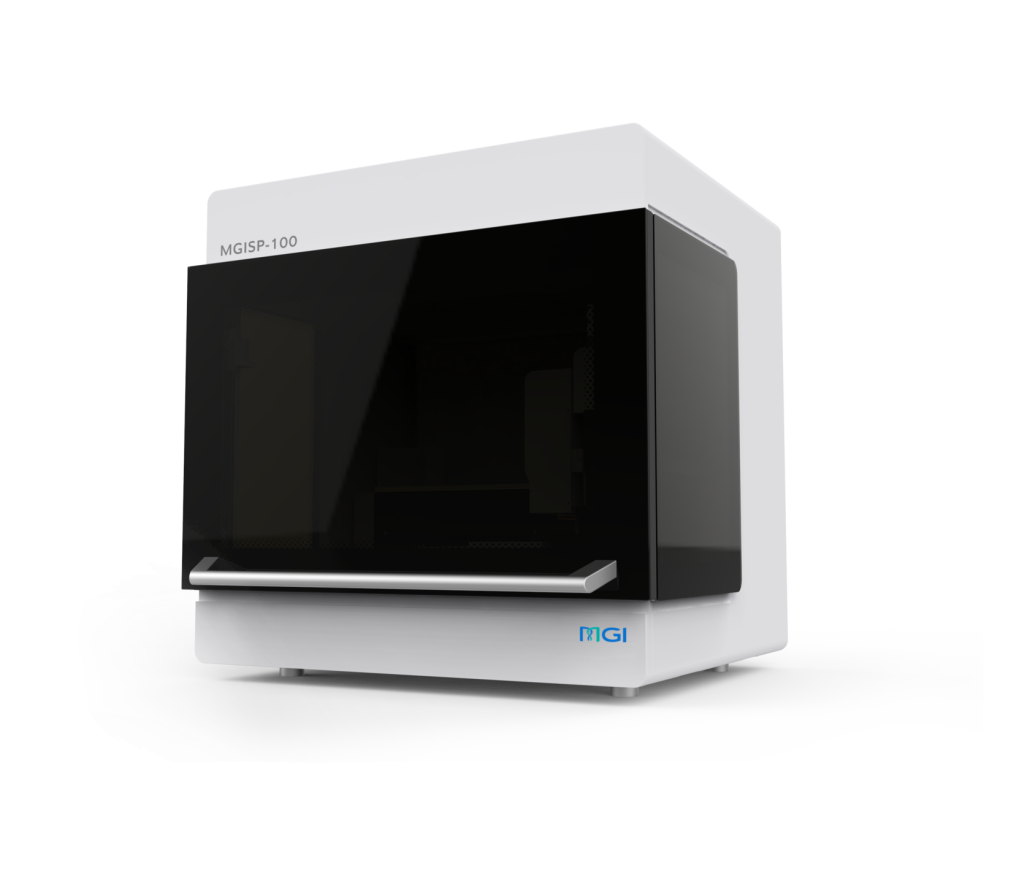
                          Introducing MGISP-100, an advanced automated workstation featuring an 8-channel pipette, specifically designed for sequencing library preparation. This state-of-the-art system excels in processing samples in bulk, guaranteeing both stability and cost-effectiveness to elevate lab productivity. Tailored to meet user requirements, MGISP-100 comes equipped with a range of integrated tools, including PCR machines, UV lamps, and temperature modules. It promotes hands-free, precise, and streamlined operations, ensuring efficient and reliable sequencing library preparation processes.

                          Open Platform

                          Tailored development crafted to meet specific and unique requirements

                          Comprehensive Protection

                          Equipped with a UV lamp and laminar flow hood for a thorough contamination prevention approach

                          Comprehensive Functions

                          Incorporates essential functional modules such as the PCR machine, magnetic rack, temperature modules

                          Economic & Efficient

                          Fully autonomous system, processes samples in bulk, significantly minimising the need for manual intervention
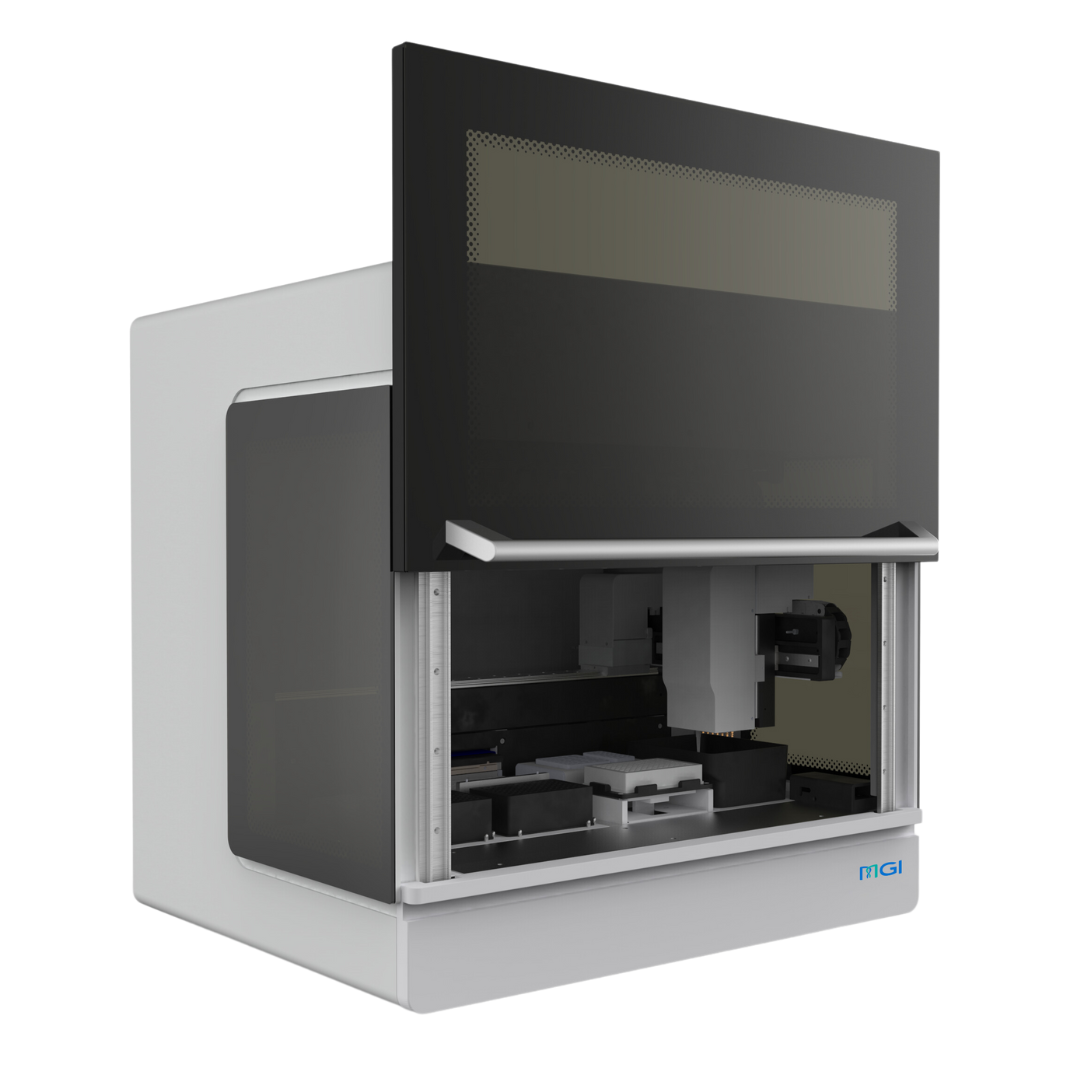

                          The MGISP-100 stands as an advanced automated workstation

                          The MGISP-100 represents a pinnacle in automated workstations, skillfully designed with an 8-channel pipette to facilitate seamless sequencing library preparations. Its batch processing capability ensures uniform outputs, optimizing operational expenses and elevating laboratory efficiency. In addition to its core features, the MGISP-100 is equipped with a suite of integrated tools, including PCR machines, UV lamps, and precise temperature modules, ensuring a meticulous and autonomous operational experience.

                          The versatile capabilities of MGISP-100 extend across various stages of the laboratory workflow, encompassing nucleic acid extraction, enzymatic reactions, size selection, DNB making, magnetic beads purification, PCR, target capture, and incorporating a HEPA system for enhanced contamination control.

                          MGISP-100 Workflow and Features
                          Ready To Order?
                          Our team can help you in placing the order. Click below to get a quote and fast ordering.
                          MGI Portfolio

                          Have a question?

                          Get a call from your local Decode Science representative to help you find the best fit genomics products for you.

                          Error: Contact form not found.

                          Or give us a call at:

                          1300 581 991