Carrier Screening for CF, SMA, and Fragile X — Precision You Can Trust

Detect pathogenic variants, copy number changes, and repeat expansions with clinically validated methods — enabling informed reproductive decisions and genetic counseling.

But... Why It Matters?

Avoid Uncertainty in Carrier Status

Traditional short-read NGS struggles with genes like SMN1 and FMR1 due to high homology or repeat expansions.

Mis-mapping or inaccurate repeat counts can lead to inconclusive or misleading results, delaying patient decisions.

Prevent Misdiagnosis and Missed Risk

CFTR: Only pathogenic variants tested, reducing the risk of reporting benign variants as carriers.

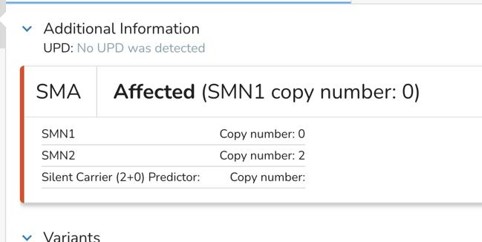
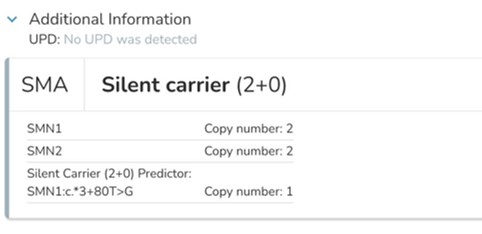
SMN1: Detects complex carrier states, including 2+0 carriers, which are missed by standard assays.

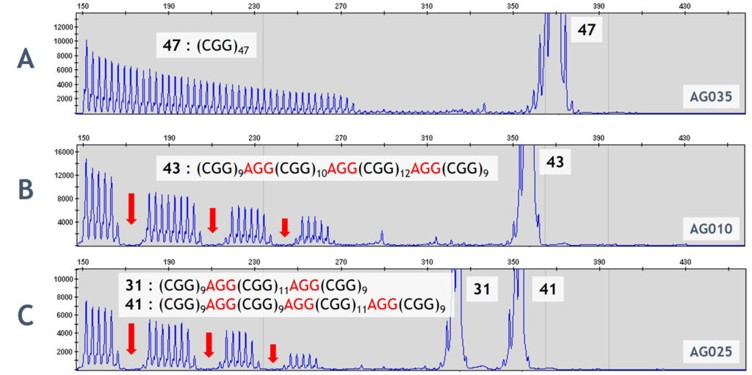
FMR1: CGG repeat quantification and AGG interspersions prevent underestimation of expansion risk.

Enable Informed Reproductive Decisions

Clear identification of carriers allows genetic counseling for reproductive planning.

Couples can understand actual reproductive risk, not just probability guesses.

Supports decisions like preimplantation genetic testing (PGT) or prenatal screening.

Save Time, Resources, and Workflow Hassle

Reduces need for repeat testing due to inconclusive results.

One comprehensive test per lifetime is enough for most patients.

Reduces lab and patient burden while maintaining clinical confidence.

Address Modifiers and Phenotype Severity

SMA: SMN2 copy number and c.859G>C modifier are reported, allowing better prediction of severity in offspring.

CFTR: Recognizes CF-related conditions like CBAVD and pancreatitis.

FMR1: Anticipation and stability assessed via AGG interspersions.

CFTR – Cystic Fibrosis (Autosomal Recessive)

Function:
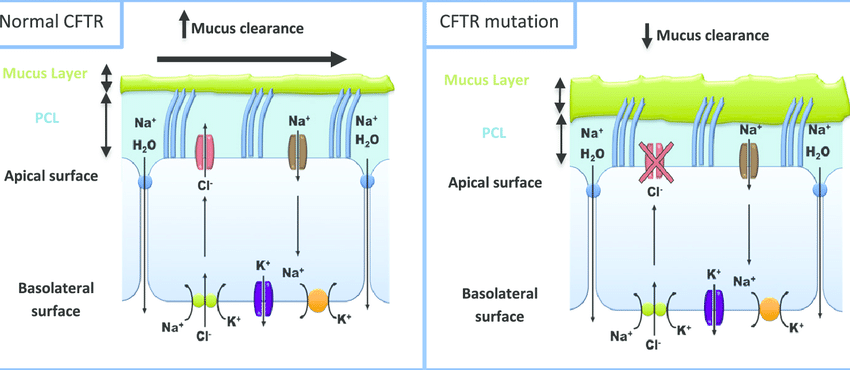
CFTR encodes a chloride ion channel; loss-of-function reduces chloride and water movement out of cells, producing thick mucus.

Clinical Impact:
Causes cystic fibrosis and CF-related conditions like congenital bilateral absence of vas deferens (CBAVD) and pancreatitis.

Modifiers:
Poly T and Poly TG tracts in intron 8 influence exon 9 splicing; combination of variants can alter disease severity.

Testing Challenges:

Multiple benign variants exist; standard tests can report irrelevant findings.

Accurate carrier detection is critical for reproductive counseling.

CFTR (Cystic Fibrosis)

SOLUTION

Targeted pathogenic variant testing: Detects only known CF-causing variants, ensuring clinically relevant results.

Provides reproductive risk assessment for couples planning pregnancy.

SMN1 – Spinal Muscular Atrophy (Autosomal Recessive)

Function:
SMN1 encodes a protein essential for RNA splicing; its paralog SMN2 modifies disease severity.

Clinical Impact:
SMA patients usually have biallelic SMN1 loss; severity is influenced by SMN2 copy number and specific variants (e.g., c.859G>C in exon 7).

Carrier Status:
Includes 1+0 and 2+0 carriers, which impact offspring risk differently.

Testing Challenges:

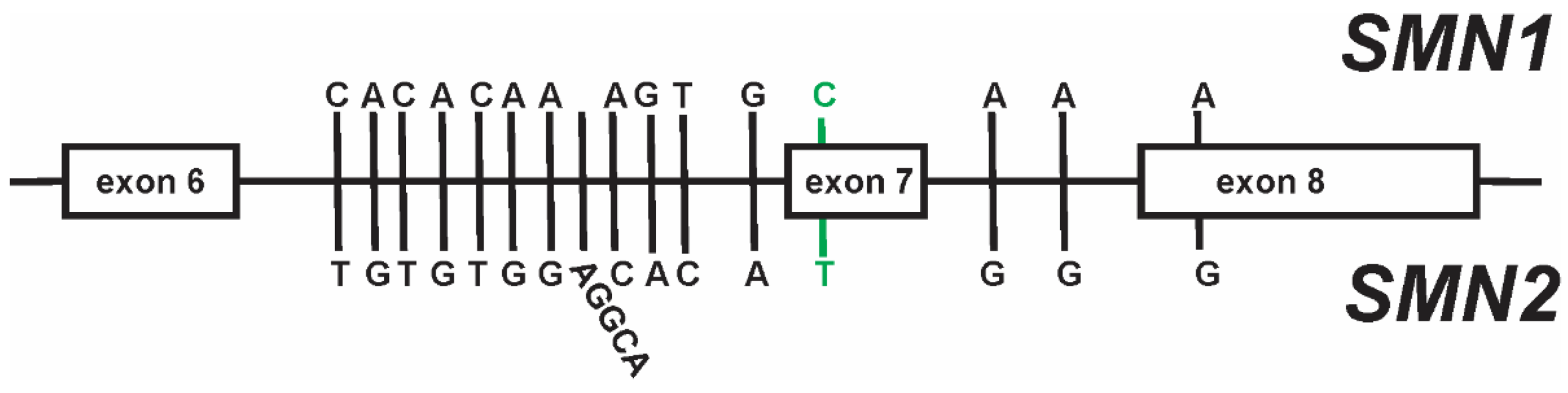
Short-read NGS cannot reliably distinguish SMN1 vs SMN2 due to 99% sequence homology.

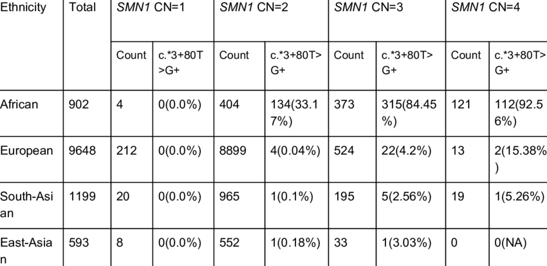
Predicting 2+0 carriers (cis duplication) is complex and ethnicity-dependent.

Spinal Muscular Atrophy ​

SOLUTION #1

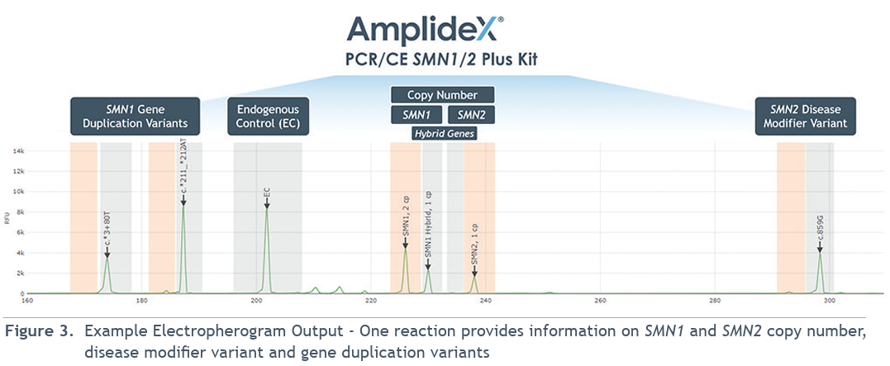
qPCR for Copy Number Analysis

This method can determine whether a patient has one or two copies of SMN1 on a chromosome, which is critical for identifying carriers. However, qPCR alone cannot distinguish cis from trans configurations, so additional analysis is required for complex carriers.

qPCR Solution for SMN1

SOLUTION #2

Franklin’s Paralogous Sequence Variant (PSV) bioinformatic approach

By leveraging at least 15 PSVs that differentiate SMN1 from SMN2, reads can be confidently mapped to the correct gene. This enables accurate detection of carriers, even in regions of high sequence homology that typically confound standard NGS.

Chris Wicky

Clinical Genomics Manager - ANZ & Country Manager - NZ

Contact me today to request a test, submit samples, or get more information — and provide your patients with accurate, actionable reproductive risk insights in a single, reliable report.

“Validated, reliable, and designed for clinicians who need results they can trust.”

SOLUTION #3

For 2+0 carrier prediction, haplotype analysis is performed using SNPs known to be associated with duplicated cis SMN1 copies. This method is ethnicity-aware, improving predictive accuracy across diverse populations. Combined with qPCR and PSV mapping, it provides a highly reliable assessment of carrier status.

2+0 Predictors SMN1
2+0 Predictors SMN1 Franklin
2+0 Predictors SMN1 Franklin 2
FMR1 – Fragile X Syndrome (X-linked)

Function:
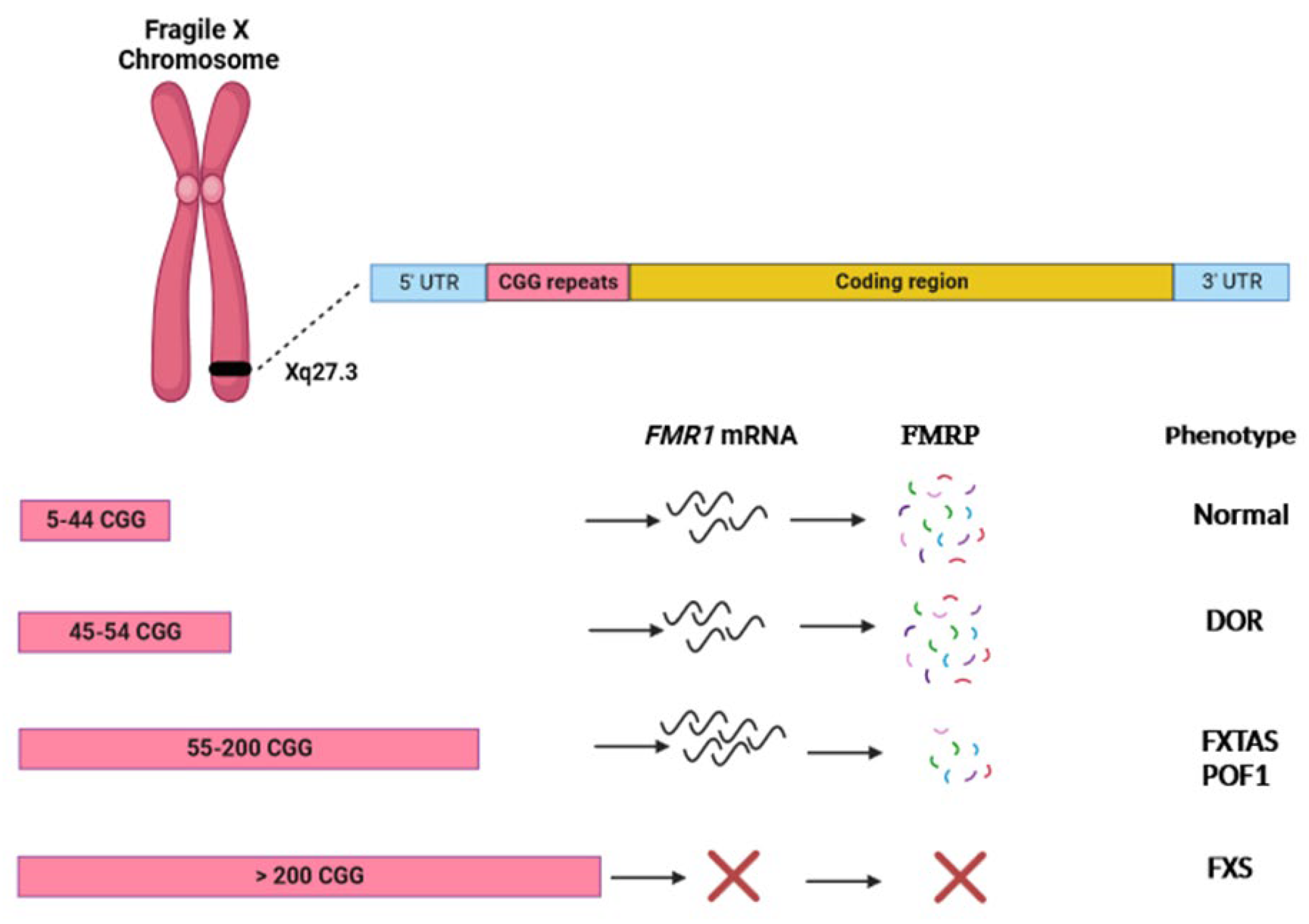
FMR1 encodes FMRP, an RNA-binding protein regulating neuronal synapse plasticity.

Clinical Impact:
CGG repeat expansions lead to hypermethylation and gene silencing. Phenotype severity and age of onset depend on repeat number.

Anticipation:
CGG repeats increase over generations; AGG interspersions stabilize repeats and reduce expansion risk.

Testing Challenges:

Short-read NGS cannot reliably quantify CGG repeats or assess AGG interspersions.

Inaccurate measurements can misestimate reproductive risk.

FMR1 - Fragile X

SOLUTION

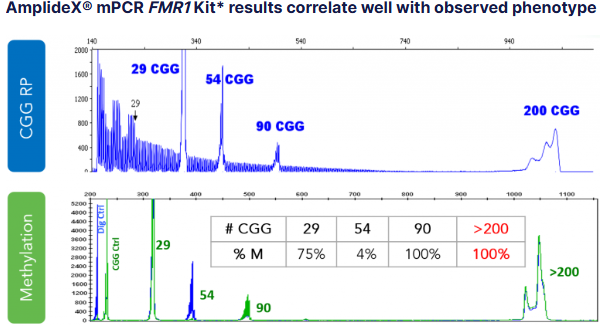
PCR combined with Southern blot analysis. PCR allows precise measurement of CGG repeat length, while Southern blot can detect very large expansions and assess methylation status if needed. Some advanced assays also include AGG interspersion analysis, enabling clinicians to evaluate repeat stability across generations and provide more nuanced reproductive counseling.

By integrating PCR, Southern blot, and optional AGG analysis, this approach provides accurate carrier identification, precise repeat quantification, and predictive insights into disease anticipation. It effectively addresses the mapping and repeat-sizing limitations of NGS, allowing clinicians to counsel families with confidence and make informed reproductive decisions.

PCR Southern blot For FMR1
AGG Analysis for FMR1
So, how do you get these validated carrier tests?

Step 1: Submit a request or patient sample

Step 2:Our Lab performs the clinically validated tests

Step 3: Receive easy-to-interpret report

Step 4: Use the results

Instant Download

Simply add your details below and get quick access to the brochure.

    You agree to receive communications from Decode Science.View Our Privacy Policy.

    Instant Download

    Simply add your details below and get quick access to the brochure.

      You agree to receive communications from Decode Science.View Our Privacy Policy.

      Instant Download

      Simply add your details below and get quick access to the brochure.

        You agree to receive communications from Decode Science.View Our Privacy Policy.

        Special October Offer

        FREE UMBRELLA