STOmics delivers the next generation of spatial transcriptomics through its proprietary Stereo-seq (SpaTial Enhanced REsolution Omics-sequencing) platform. As the first and only technology combining centimeter-scale field of view with true nanoscale resolution, Stereo-seq captures the complete molecular landscape of tissues — from whole-organ panoramas down to subcellular details.
Researchers across oncology, developmental biology, and precision medicine are using STOmics Stereo-seq to generate comprehensive spatial omics datasets that connect gene expression, cell morphology, and cell-to-cell interactions in ways never before possible. By merging spatial transcriptomics, proteomics, and pathology on a single platform, STOmics is redefining how scientists visualize biology in space and time.
STOmics’ proprietary Stereo-seq (SpaTial Enhanced REsolution Omics-sequencing) introduces a new architecture for spatial biology.
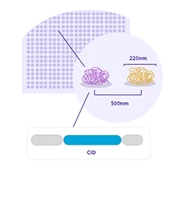
Unlike imaging-based or spot-limited platforms, Stereo-seq uses a DNA nanoball (DNB) patterned chip and Coordinate ID (CID) barcoding to capture RNA molecules in situ across the entire tissue section.
Each transcript’s precise position is preserved, then decoded through sequencing on the DNBSEQ™ platform, reconstructing a full spatial transcriptomic map at sub-cellular scale.
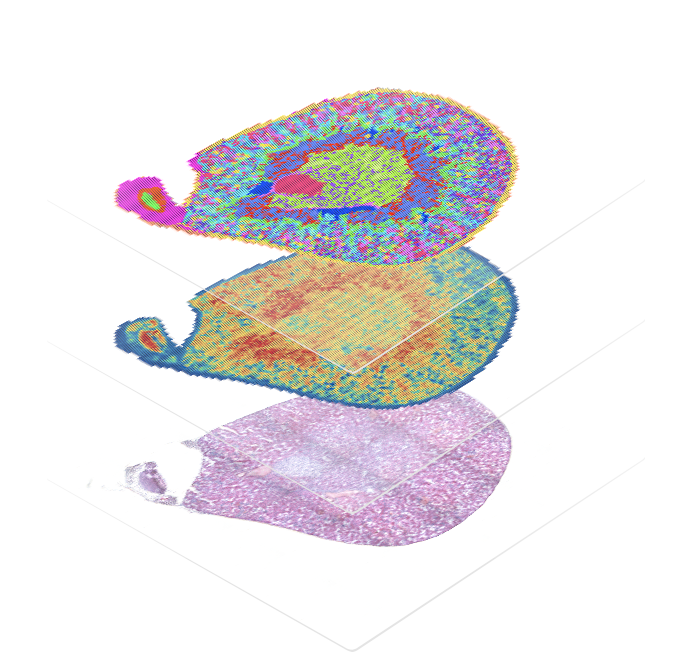
This pipeline links gene expression to morphology and microenvironmental context, enabling true multi-omic correlation within the same tissue slice.

Creates a fixed nanoscale grid for spatial indexing.
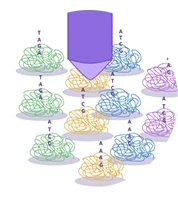
Assigns unique coordinate tags to every capture point.
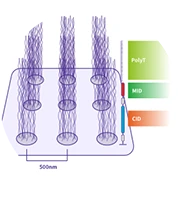
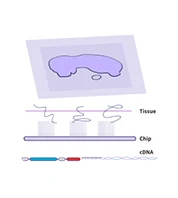
Immobilizes transcripts without disturbing native structure.

Generates high-depth transcriptome data on the DNBSEQ system.
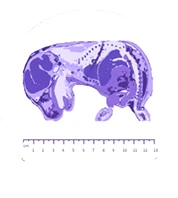
Reconstructs tissue architecture at single-cell and subcellular resolution.
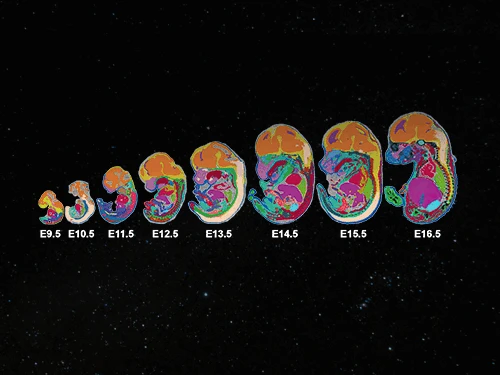
The STOmics Stereo-seq spatial transcriptomics platform empowers scientists to analyze where and how genes are expressed within intact tissues. By integrating spatial RNA sequencing, proteomic profiling, and cell morphology, researchers can uncover cellular organization, lineage relationships, and molecular interactions that conventional bulk or single-cell RNA-seq cannot resolve.
Across developmental biology, organ physiology, disease pathology, and comparative evolution, Stereo-seq provides panoramic, high-resolution insight for every stage of discovery.

Life development unfolds through coordinated cellular interactions in three-dimensional space. Stereo-seq enables scientists to visualize lineage trajectories, define developmental checkpoints, and map cell-type interactions across embryonic and organoid systems.
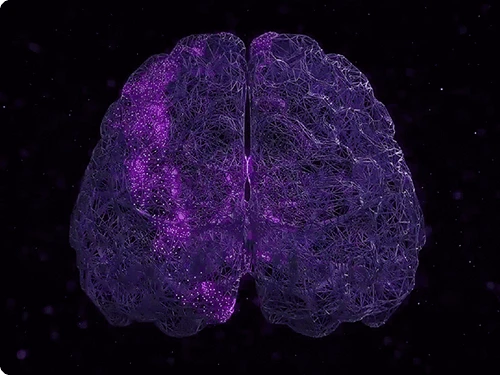
Researchers can: Quantify spatial heterogeneity in healthy and diseased tissues. Study region-specific gene programs in brain, heart, or liver. Integrate histology with whole-transcriptome data for precision phenotyping.

Comparative spatial omics reveals how structures and gene networks evolve across species. Stereo-seq allows direct comparison of orthologous tissue regions and developmental patterns, creating evolutionary maps of organ systems.
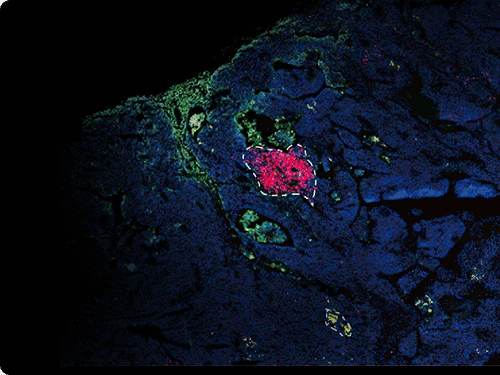
In oncology, neuroscience, and immunology, disease is spatially organized. Stereo-seq dissects tumor microenvironments, immune infiltration, and cell-to-cell signaling with single-cell precision.
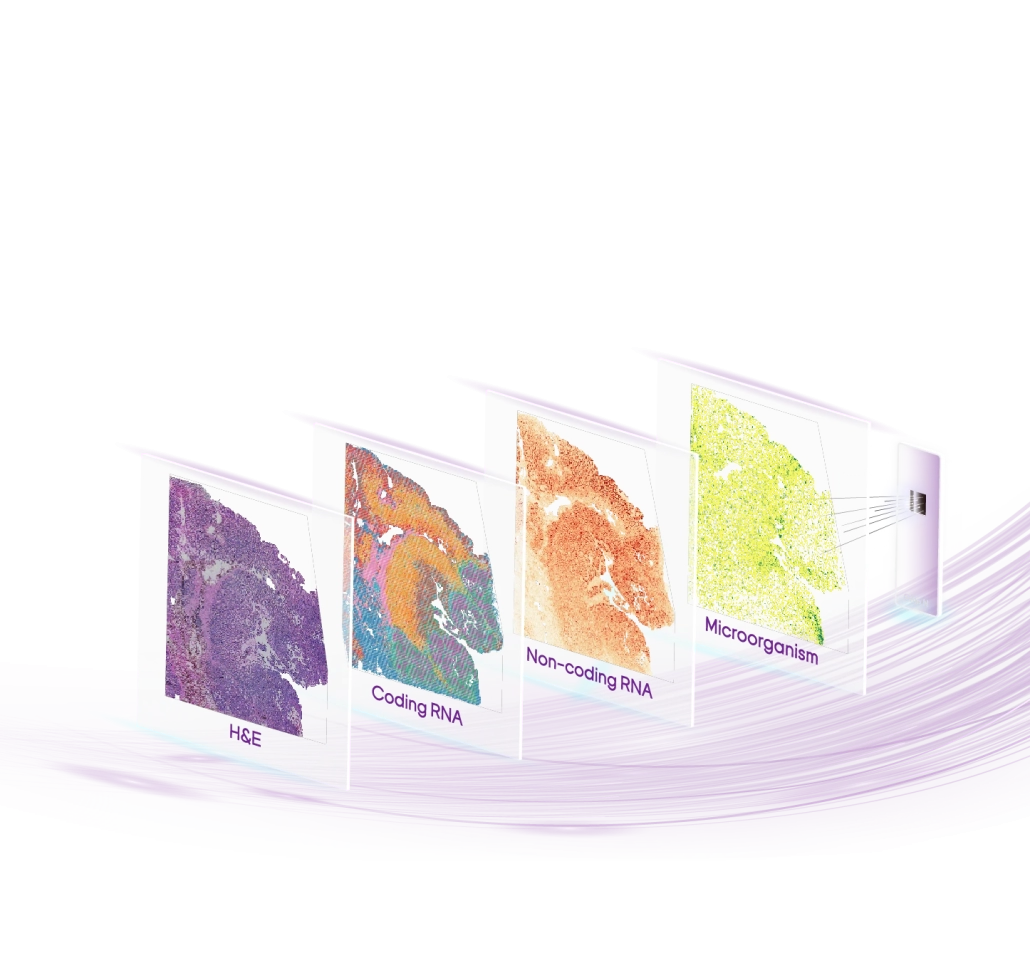
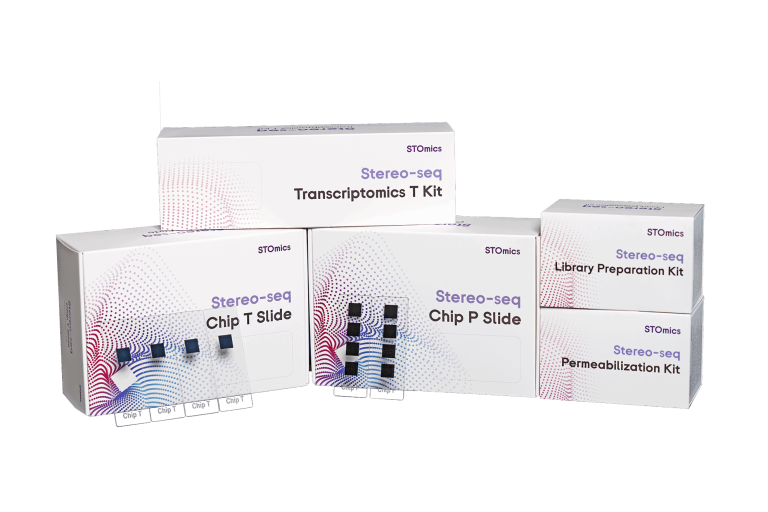
The Stereo-seq OMNI for FFPE Solution is a groundbreaking spatial transcriptomics platform that enables true single-cell total RNA profiling from challenging FFPE samples. Using an innovative Random Probe design, it delivers precise, species-agnostic RNA capture across continuous tissue areas up to 10 mm × 10 mm. Combining histology with high-resolution gene expression data, Stereo-seq OMNI empowers researchers to explore tissue architecture, host–microorganism interactions, and cellular diversity with unprecedented depth and spatial accuracy.
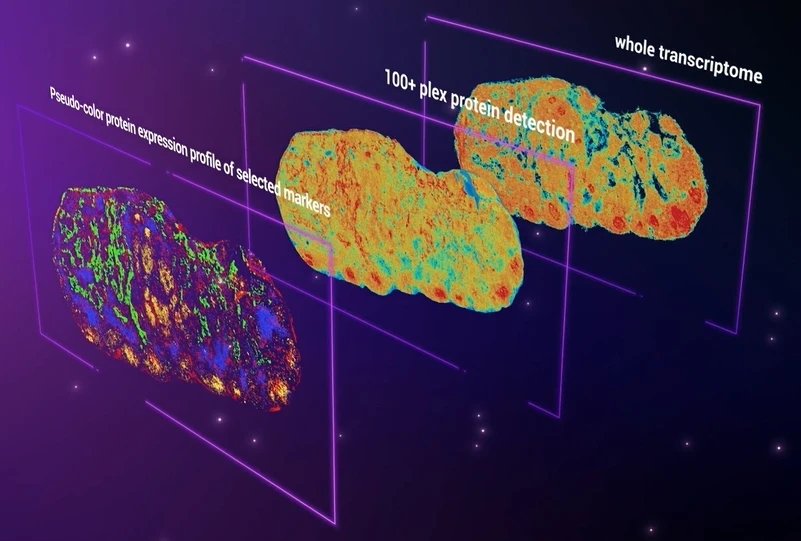
The Stereo-CITE V1.1 Proteo-Transcriptomics Solution enables simultaneous, in situ analysis of the whole transcriptome and 100+ proteins on the same tissue section with subcellular resolution. By combining CITE-seq with the high-resolution Stereo-seq workflow, it delivers unbiased, spatially resolved maps of RNA and protein expression across centimeter-scale tissue areas. With a streamlined “tissue-to-data” pipeline, Stereo-CITE empowers researchers to decode cell phenotypes, interactions, and tissue architecture—driving new insights into tumor microenvironments, immunotherapy, and drug discovery.
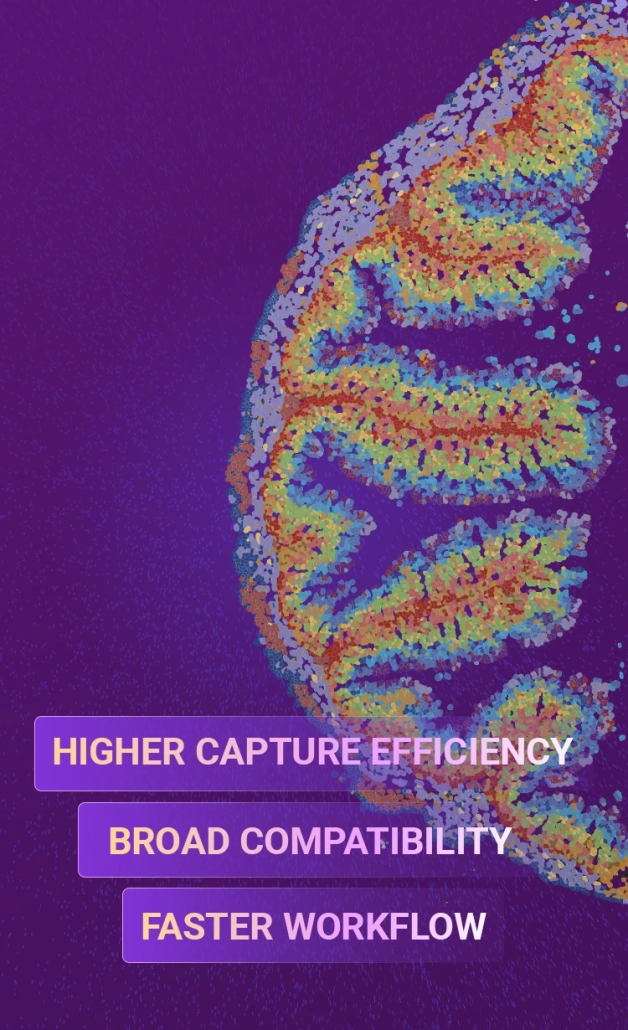
STOmics’ proprietary Stereo-seq™ (SpaTial Enhanced REsolution Omics-sequencing) technology enables researchers to explore the transcriptome with unmatched precision. Delivering subcellular resolution and a broad field-of-view, Stereo-seq allows unbiased whole transcriptome profiling from fresh frozen tissue. With validated compatibility across multiple human, mouse, and other tissue types, it empowers single-cell spatial discovery, improved capture efficiency, and advanced multi-omics integration. Stereo-seq v1.3 offers scalable chip sizes, robust analysis with StereoMap software, and high-definition insights into tissue architecture, cellular interactions, and the tumor microenvironment.

ANZ Market Manager - Research Genomics

Simply add your details below and get quick access to the brochure.